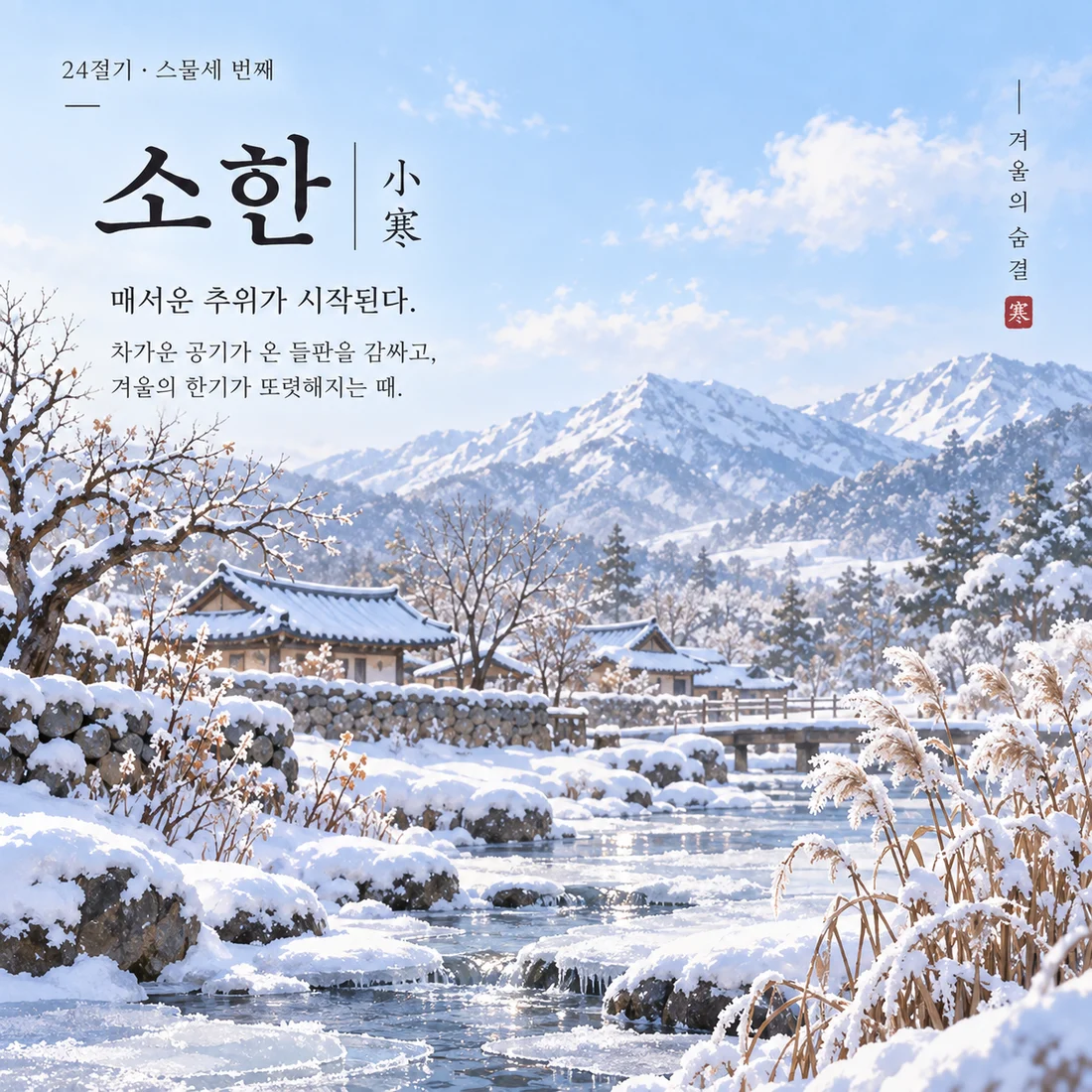
 Solar term illustration coming soon소한 · 小寒
Sohan小寒
Minor Cold
소한Its name means “minor cold”, but in Korea this can be one of the coldest stretches of winter.
A FIELD GUIDE TO KOREAN SEASONS
From the first blossoms to ripening fields and winter snow.
Explore Korean seasonal living, one solar term at a time.
Solar term illustration coming soon소한 · 小寒Minor Cold
소한Its name means “minor cold”, but in Korea this can be one of the coldest stretches of winter.
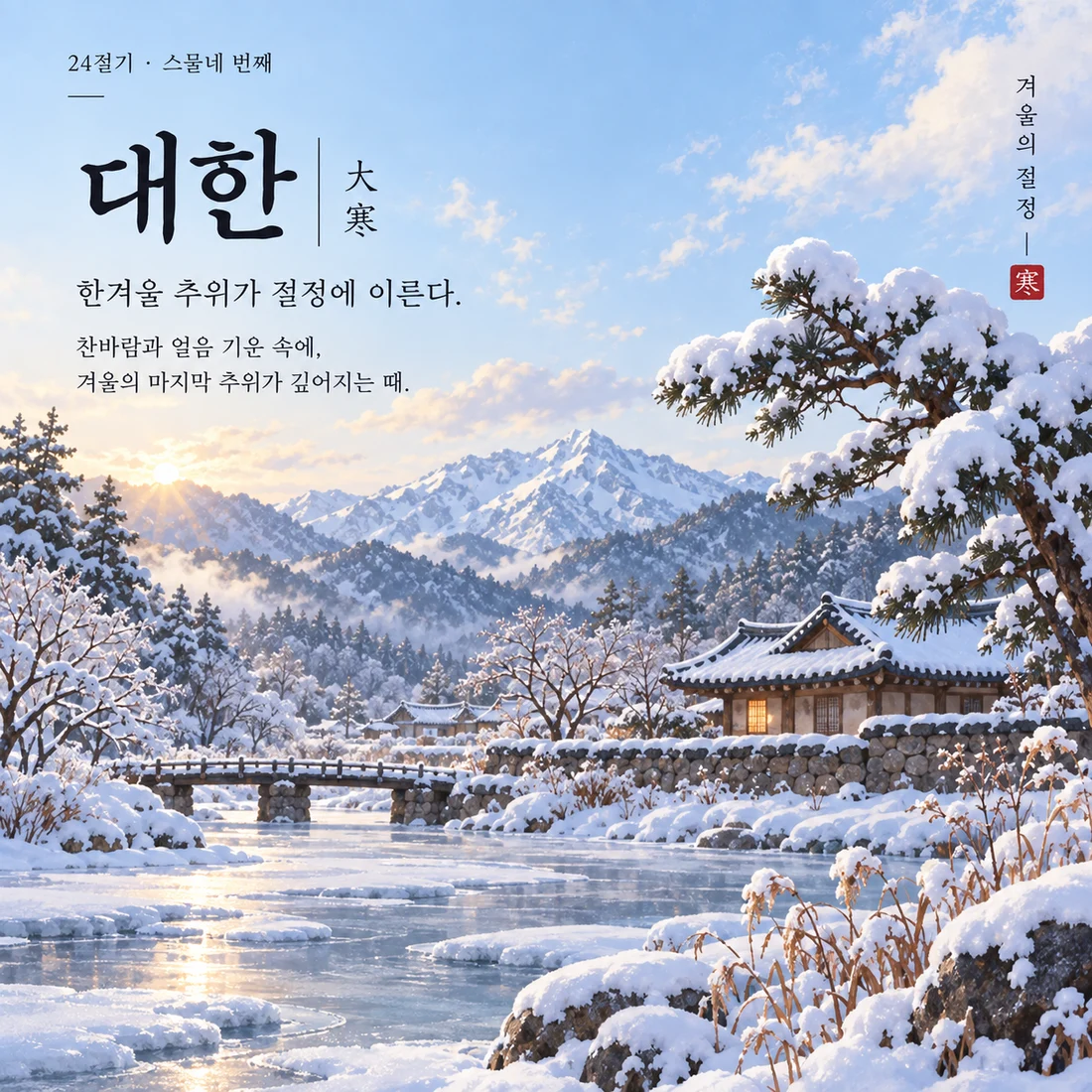 Solar term illustration coming soon대한 · 大寒
Major Cold
대한The final solar term of winter means “major cold”: a time to stay warm and prepare for the season ahead.
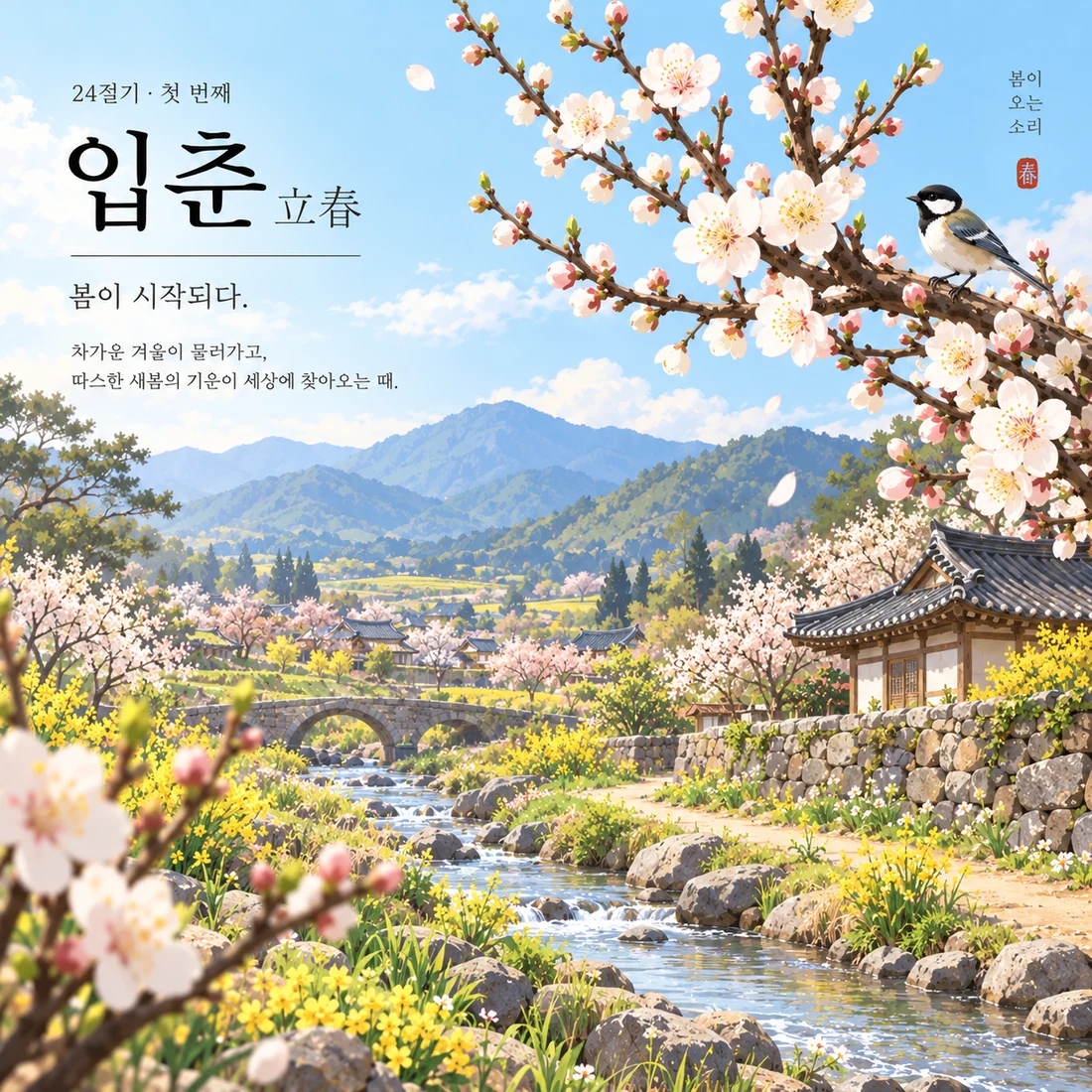 Solar term illustration coming soon입춘 · 立春
Beginning of Spring
입춘Spring begins on the traditional calendar, even while the air may still feel like winter.
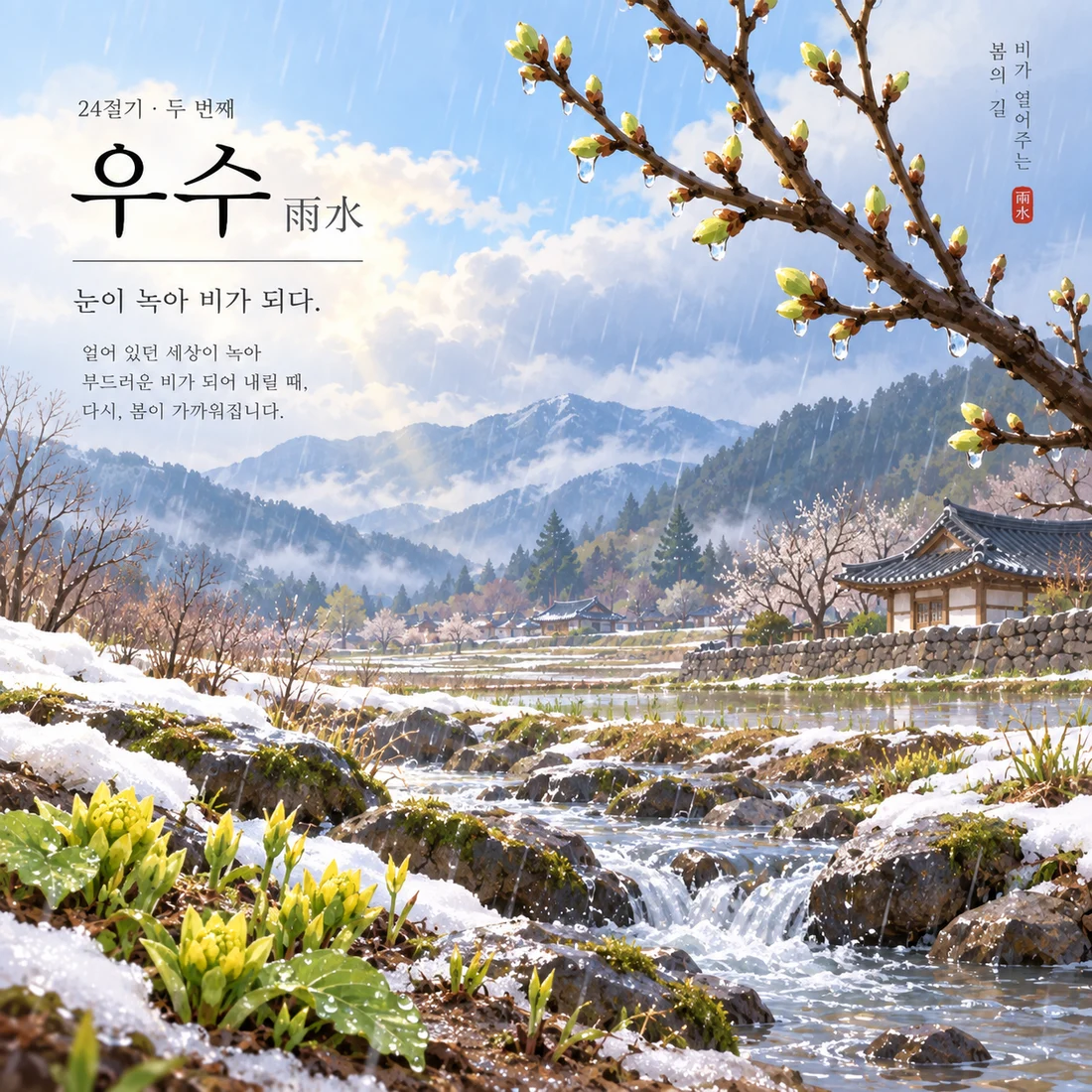 Solar term illustration coming soon우수 · 雨水
Rain Water
우수“Rain water” evokes melting snow and returning rain, as winter gradually gives way to spring.
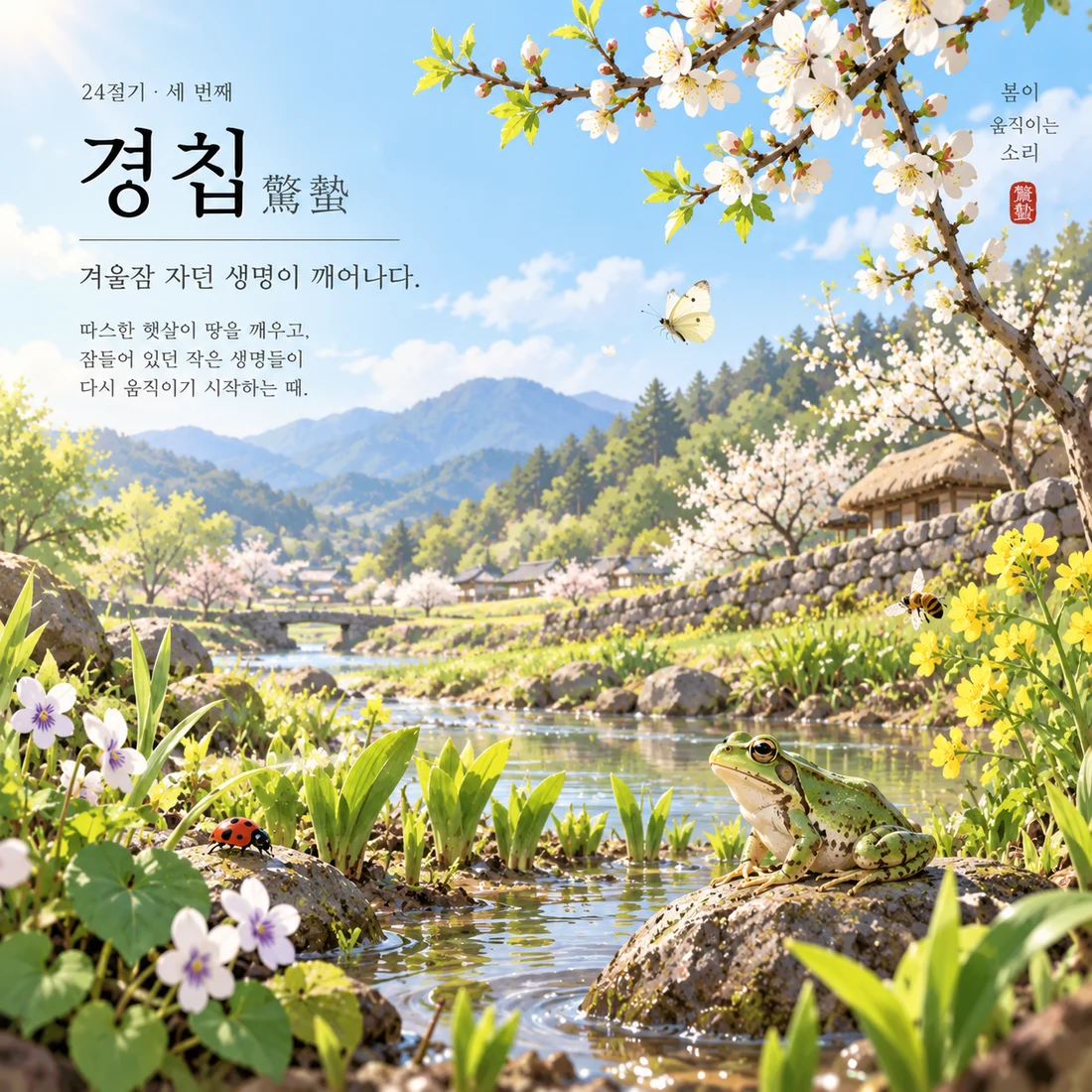 Solar term illustration coming soon경칩 · 驚蟄
Awakening of Insects
경칩This term marks the traditional awakening of overwintering creatures as warmth returns to the ground.
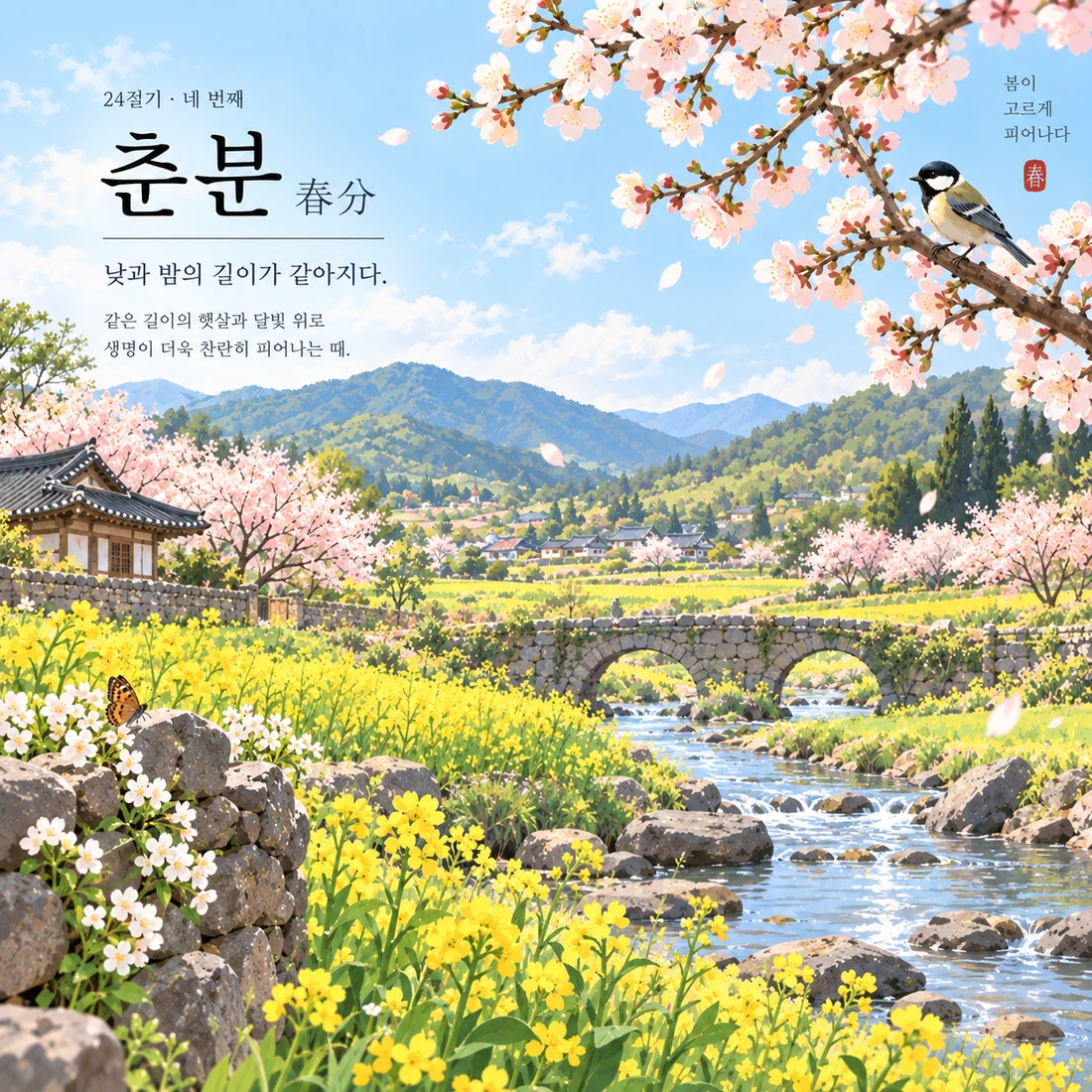 Solar term illustration coming soon춘분 · 春分
Spring Equinox
춘분Day and night are roughly equal; afterwards, daylight grows longer in the Northern Hemisphere.
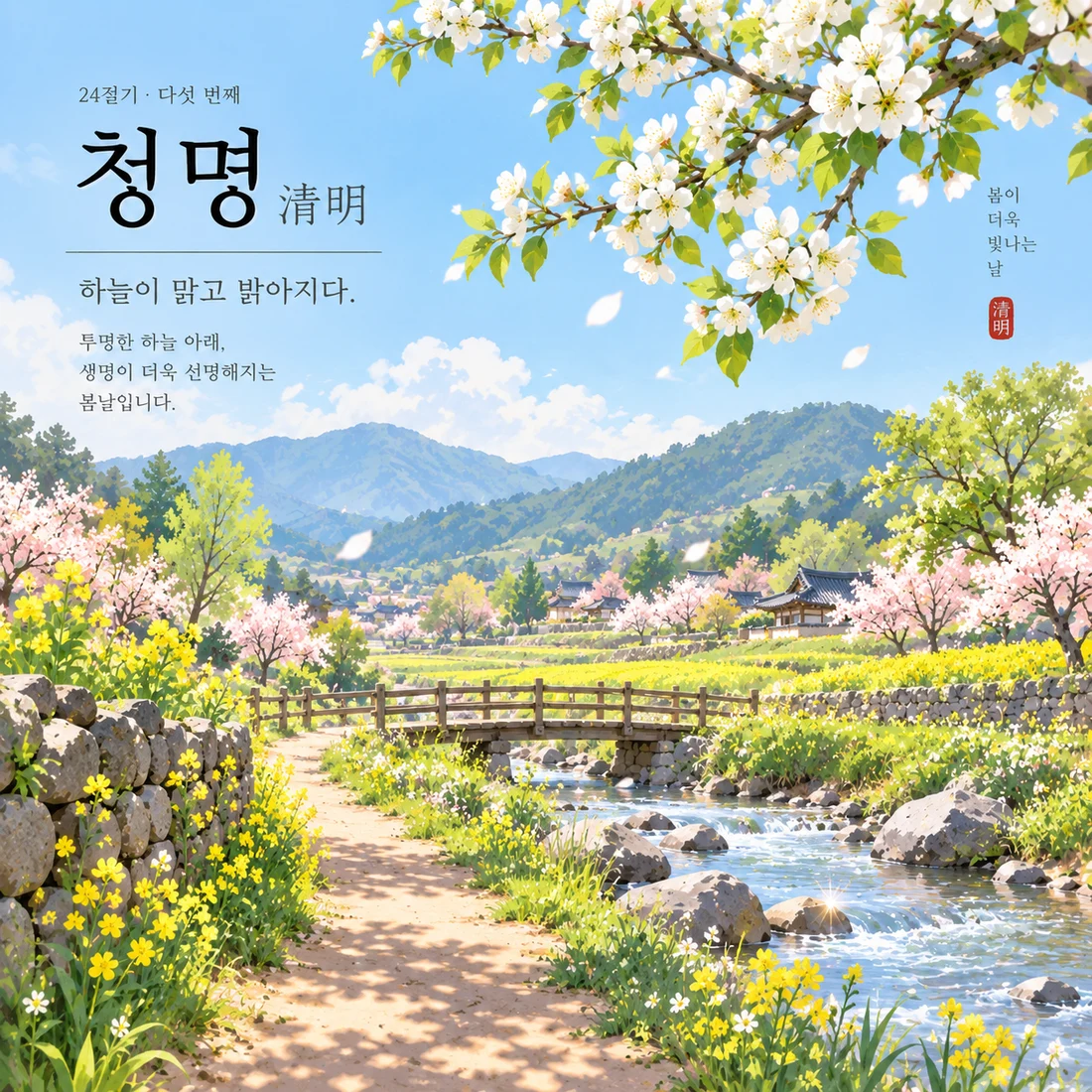 Solar term illustration coming soon청명 · 淸明
Clear and Bright
청명“Clear and bright” describes the growing light of spring, traditionally a busy time in the fields.
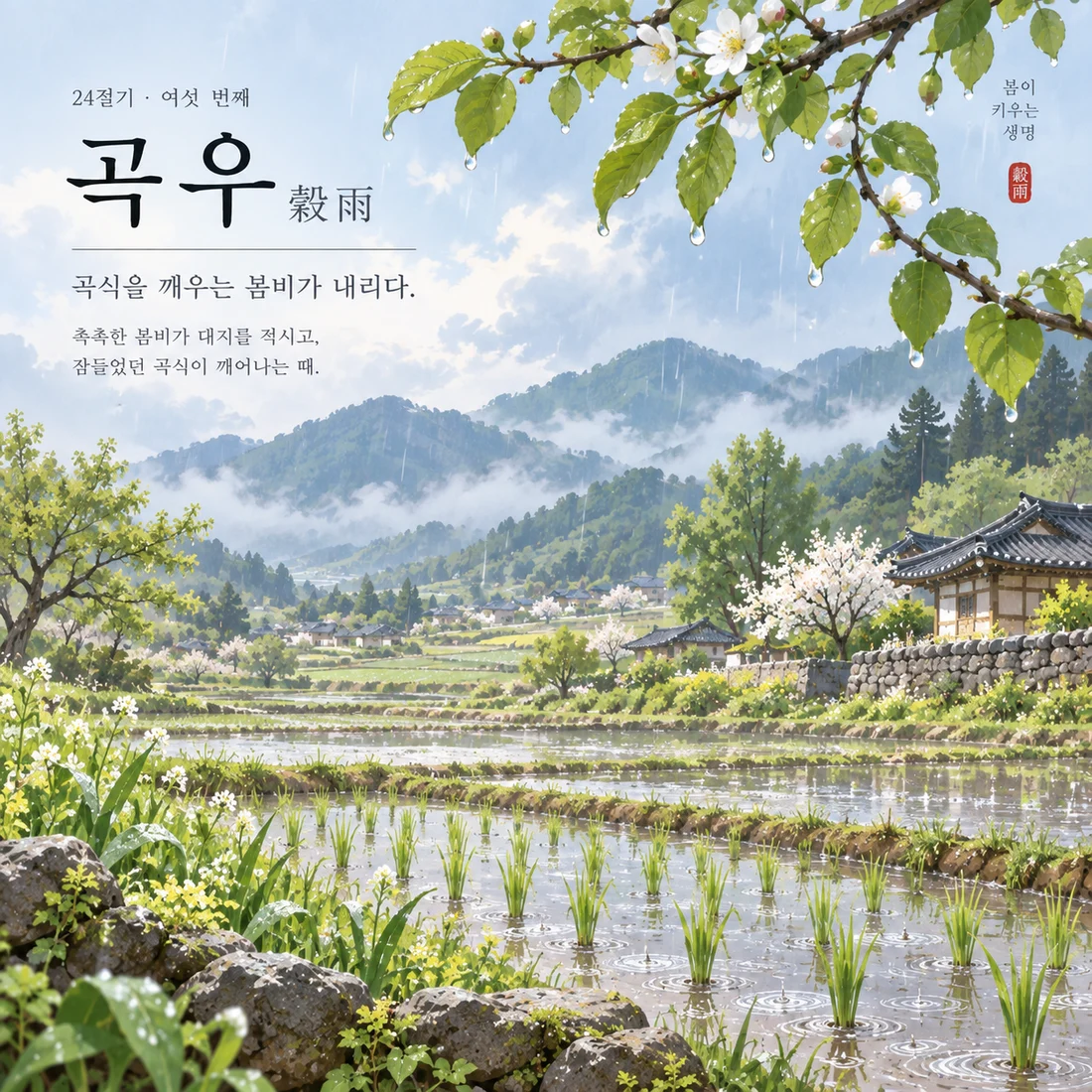 Solar term illustration coming soon곡우 · 穀雨
Grain Rain
곡우“Grain rain” celebrates the spring showers that support the growth of crops and new leaves.
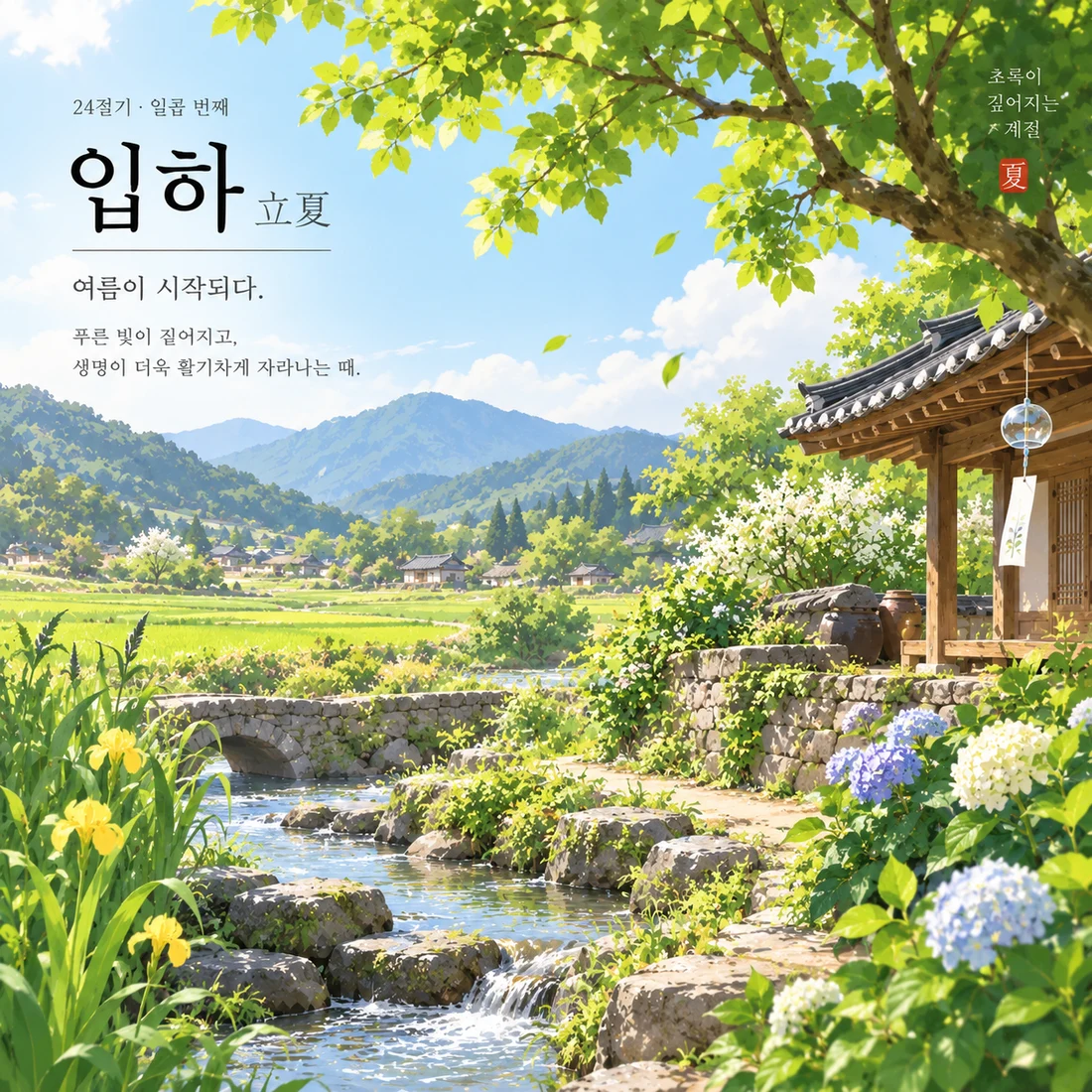 Solar term illustration coming soon입하 · 立夏
Beginning of Summer
입하Summer begins on the traditional calendar as soft spring greens deepen into richer shades.
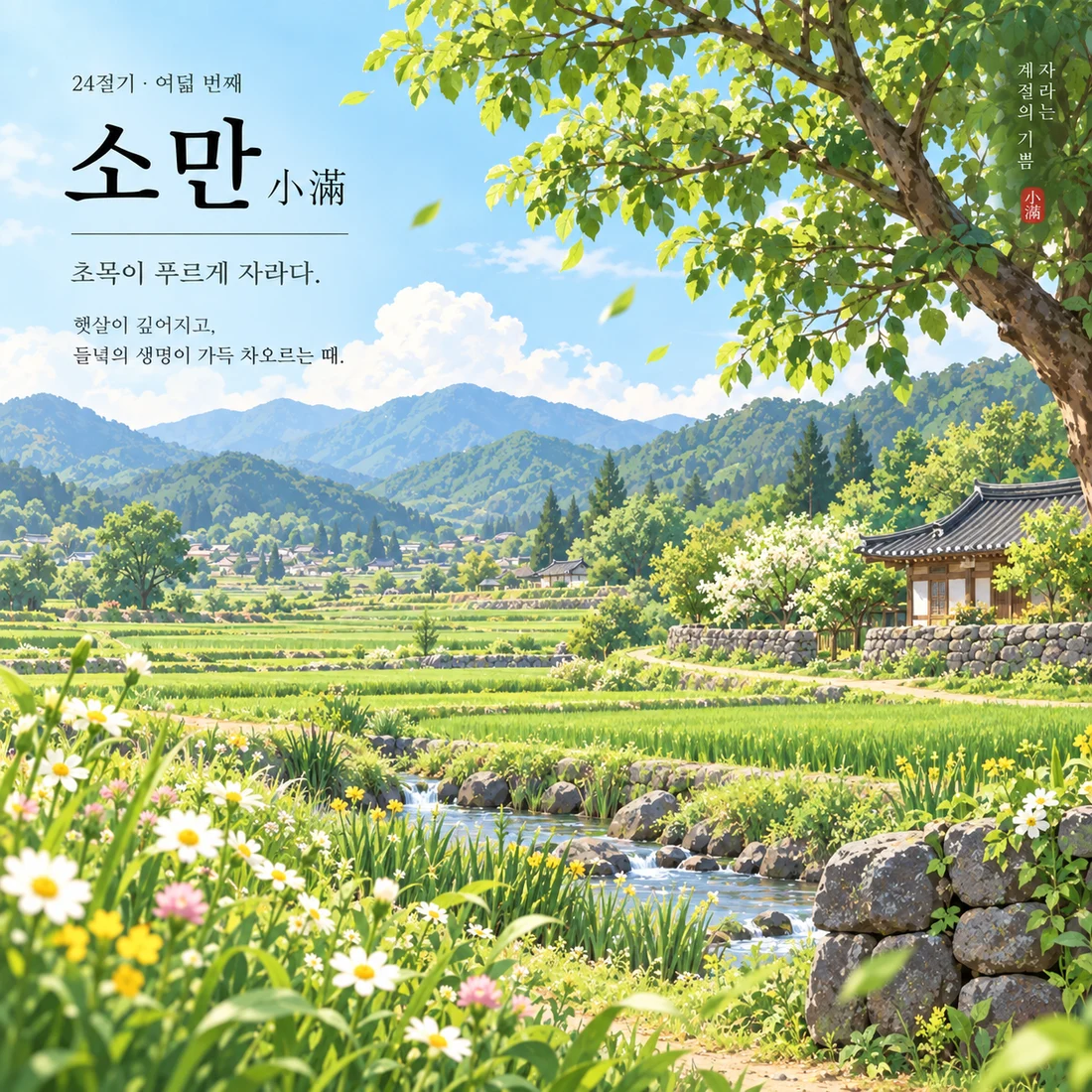 Solar term illustration coming soon소만 · 小滿
Grain Buds
소만Life begins to fill out under the sunshine: crops grow and greenery spreads.
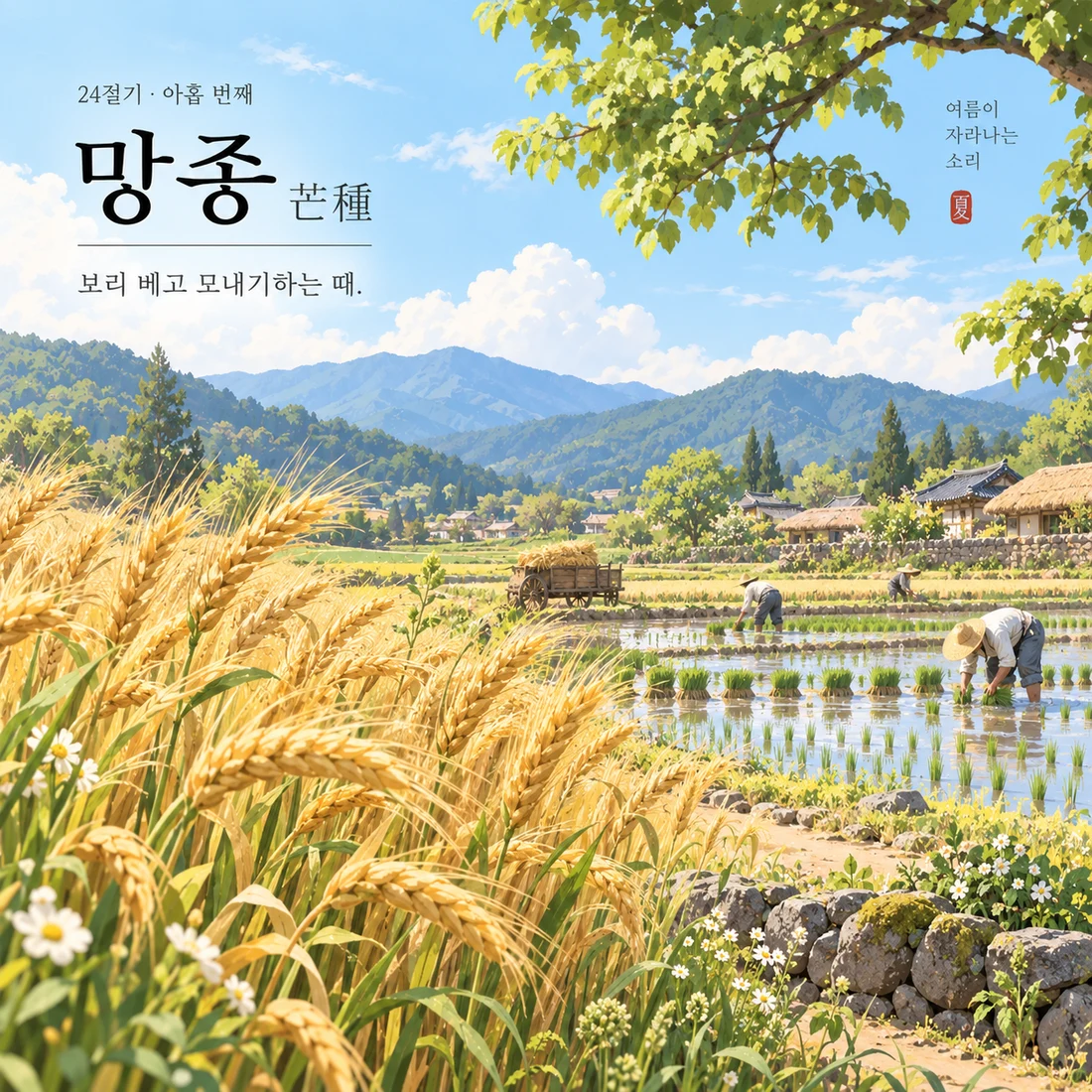 Solar term illustration coming soon망종 · 芒種
Grain in Ear
망종Named for grains with awns, this term is associated with barley harvests and rice planting.
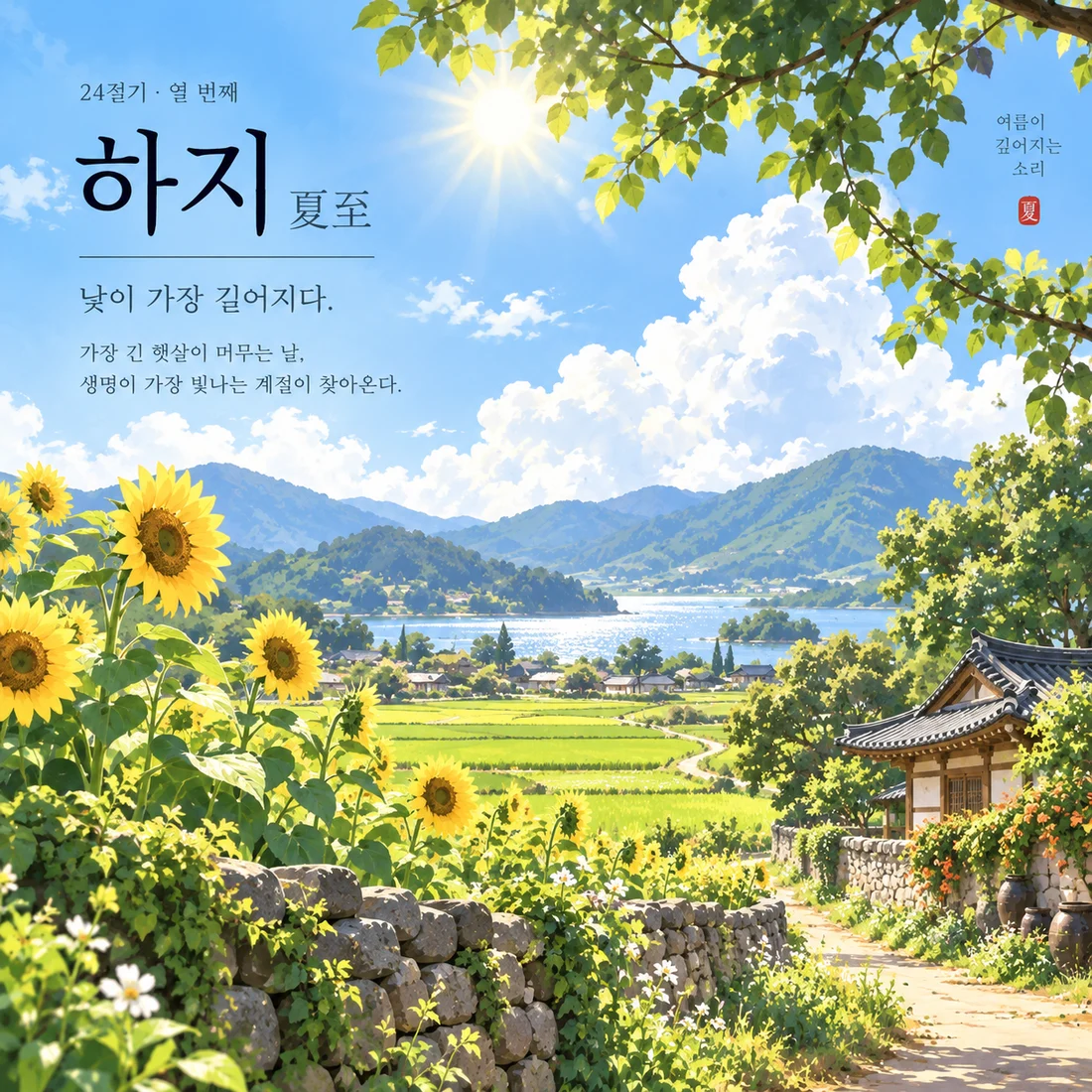 Solar term illustration coming soon하지 · 夏至
Summer Solstice
하지The Northern Hemisphere reaches its longest daylight hours as the season moves toward high summer.
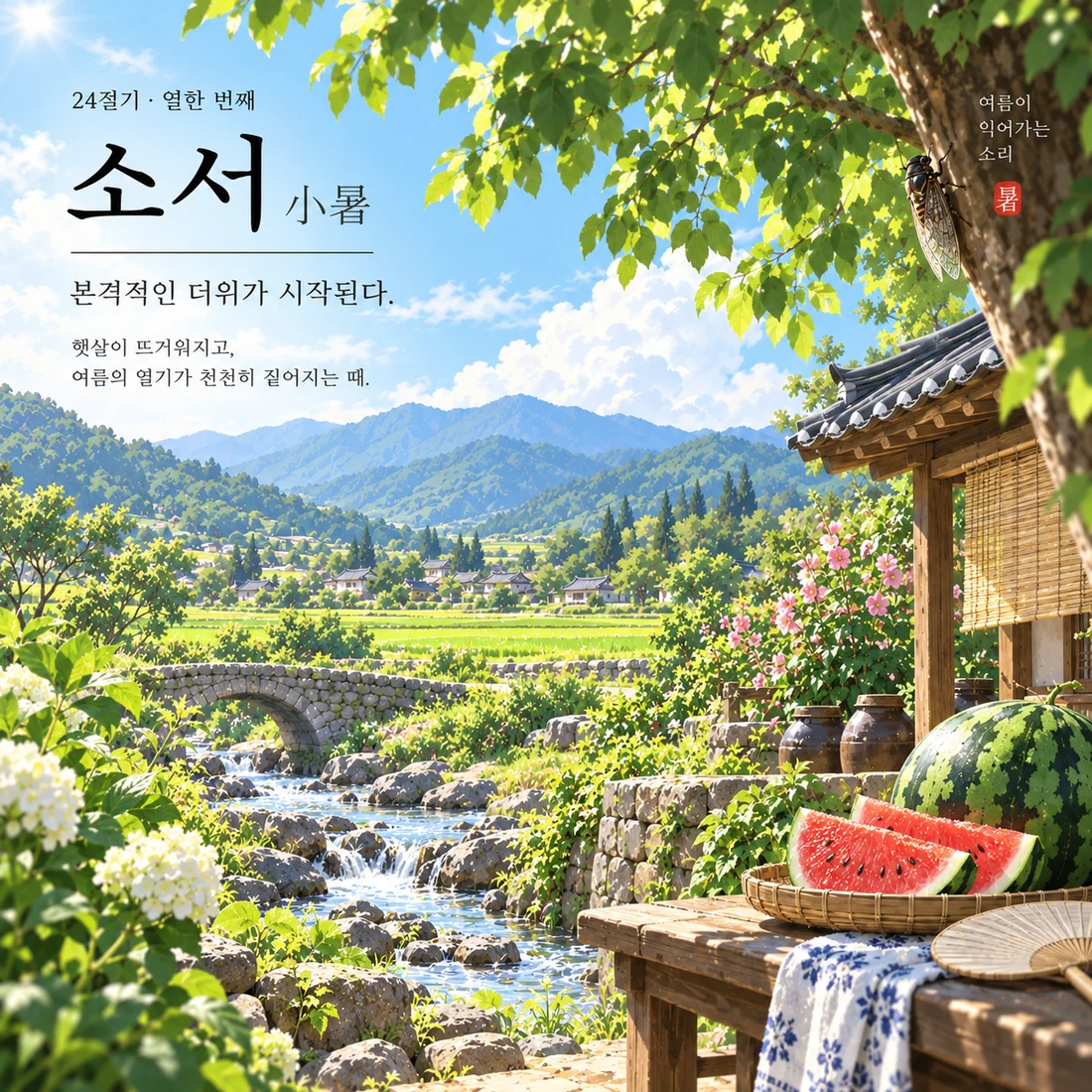 Solar term illustration coming soon소서 · 小暑
Minor Heat
소서“Minor heat” marks the start of the more intense heat of midsummer.
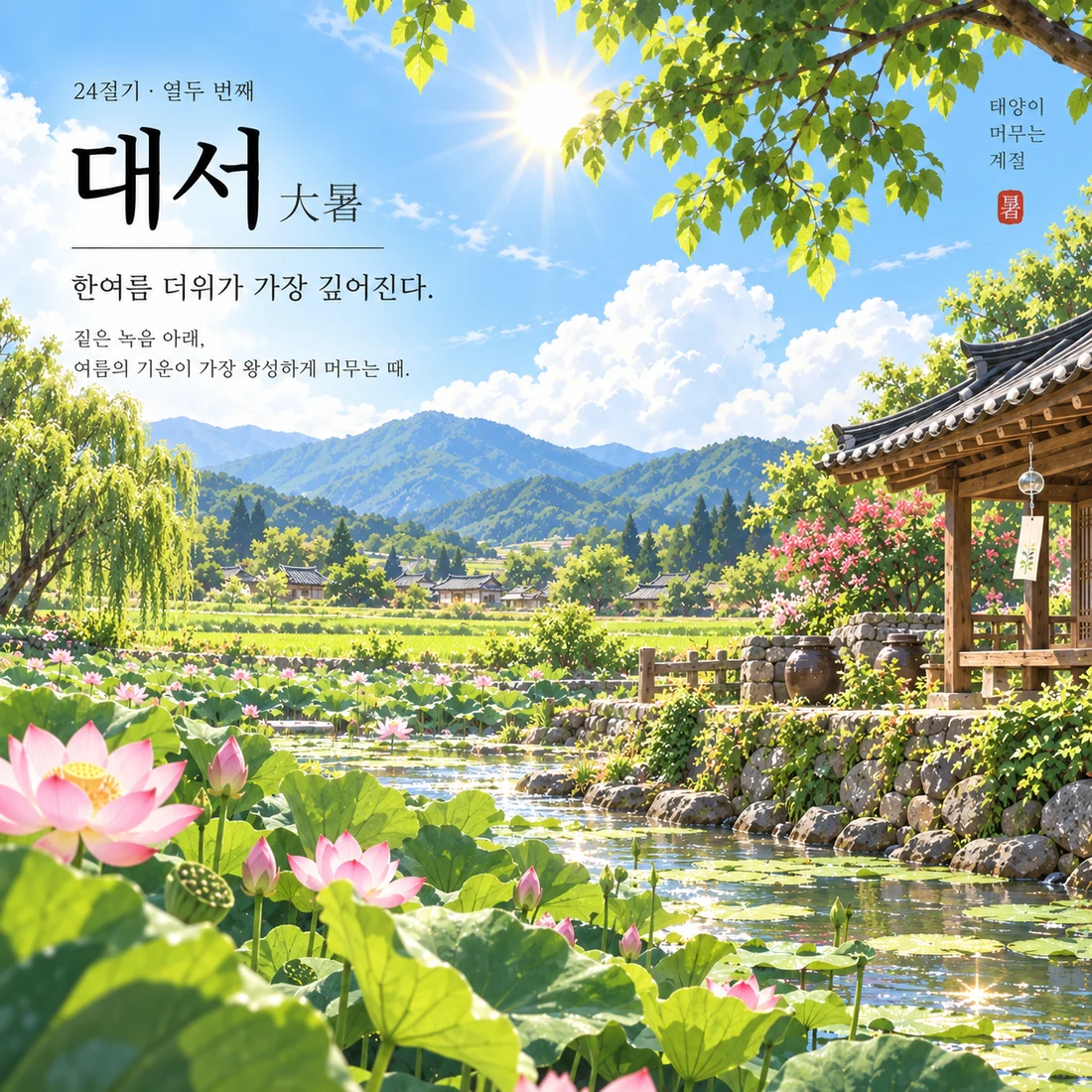 Solar term illustration coming soon대서 · 大暑
Major Heat
대서“Major heat” points to the heart of summer, when stretches of hot weather are common.
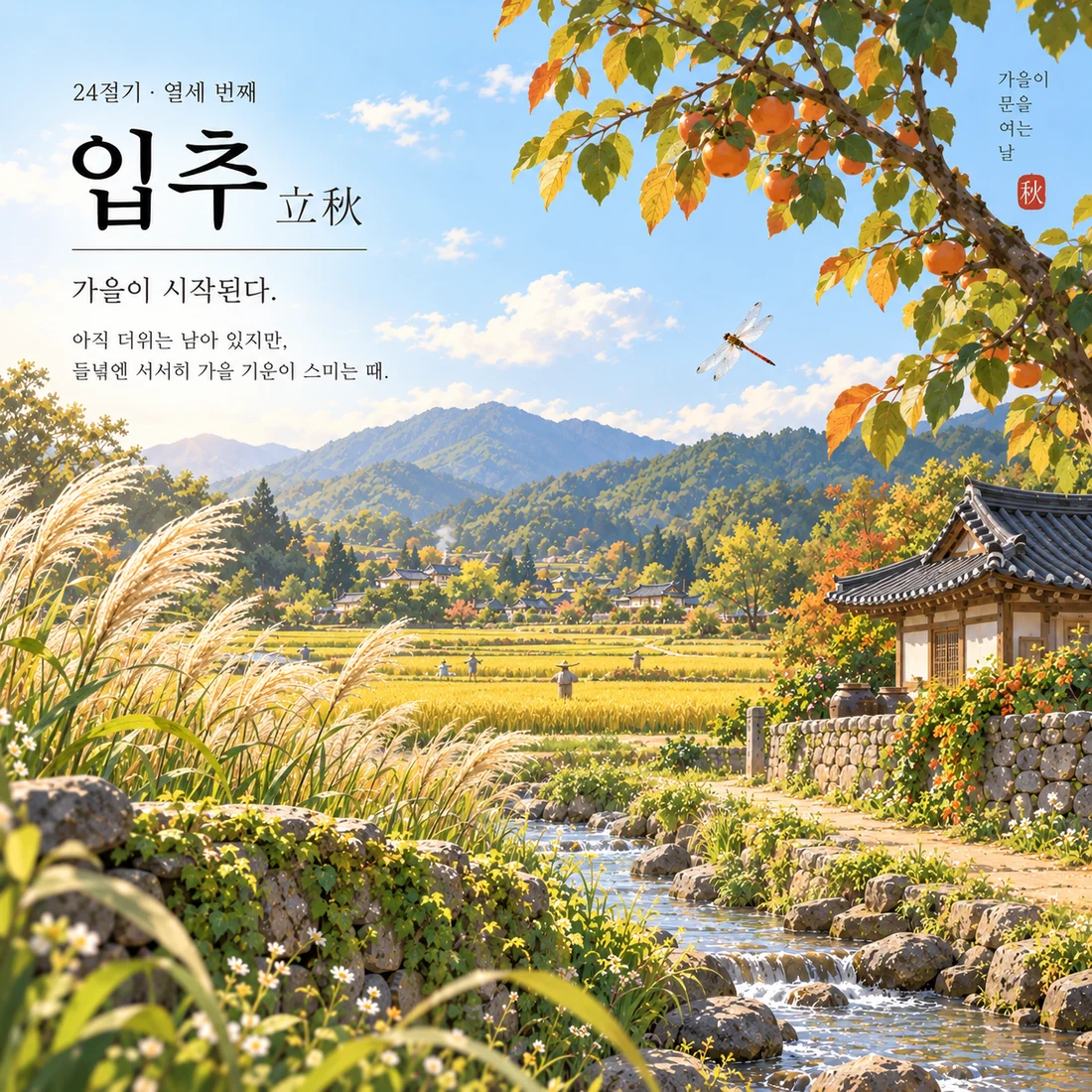 Solar term illustration coming soon입추 · 立秋
Beginning of Autumn
입추Autumn begins on the traditional calendar, though daytime heat can linger for weeks.
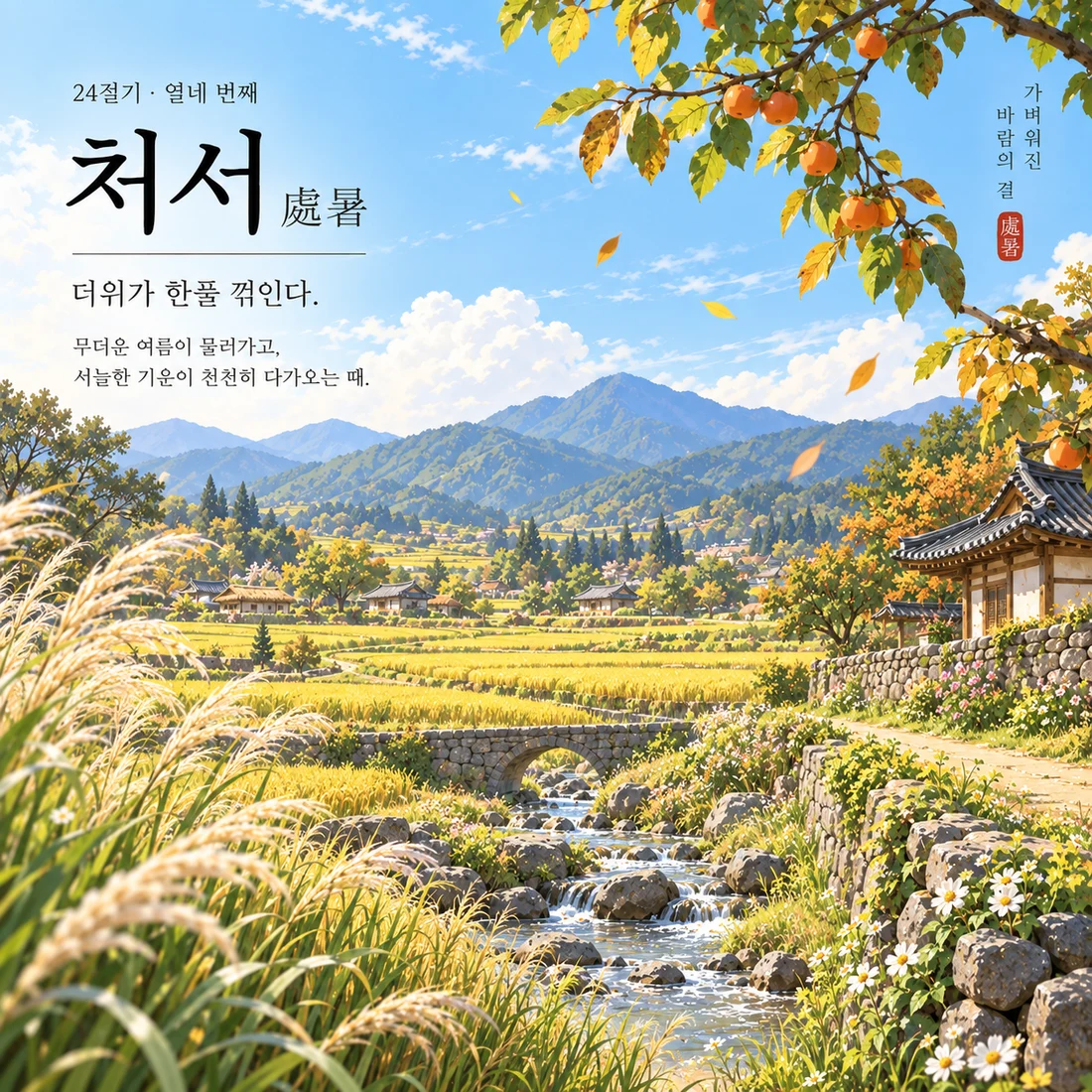 Solar term illustration coming soon처서 · 處暑
End of Heat
처서Its name means the retreat of heat: a moment to notice changing mornings and evenings.
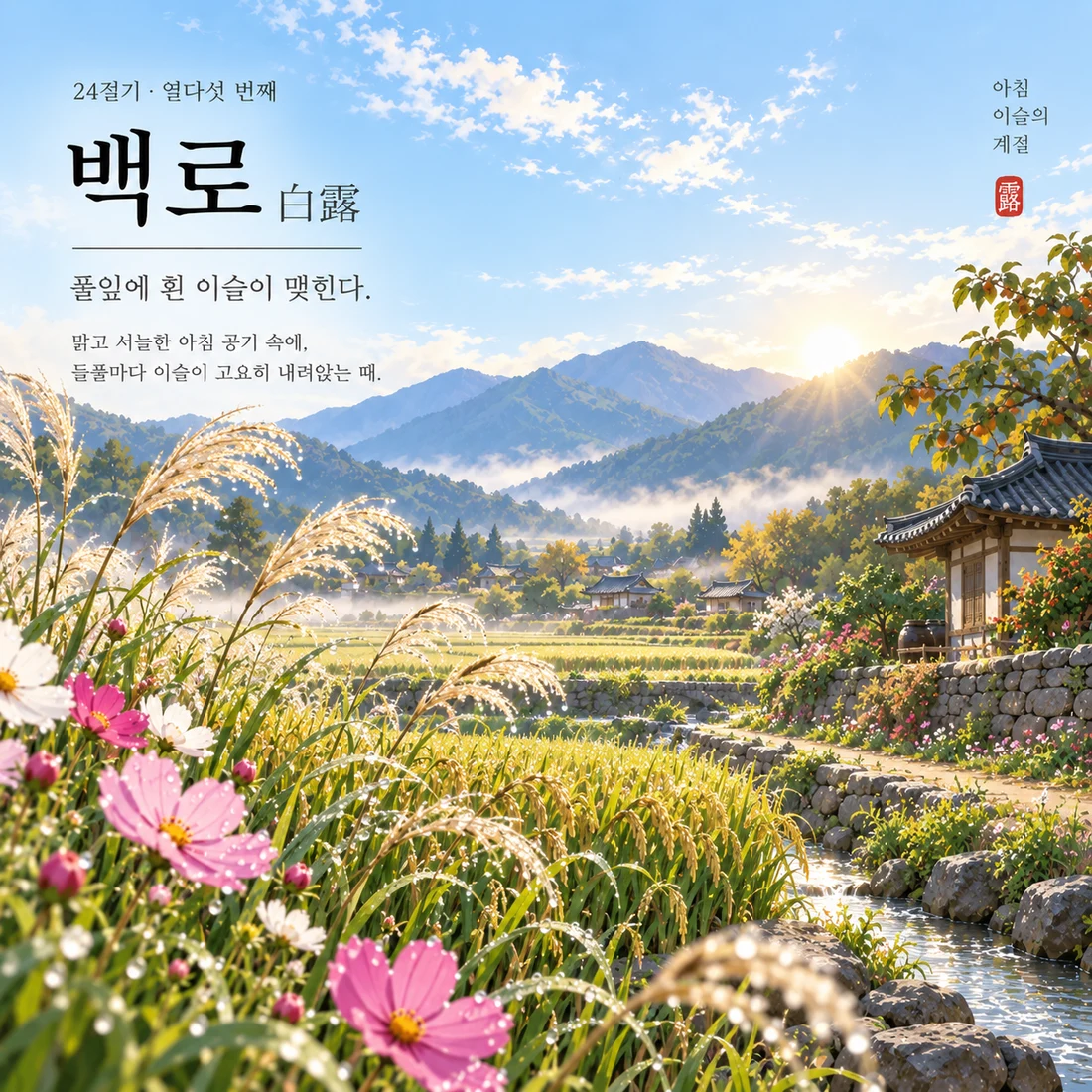 Solar term illustration coming soon백로 · 白露
White Dew
백로Named for the pale dew on grass, White Dew marks the cooler nights that gently announce autumn.
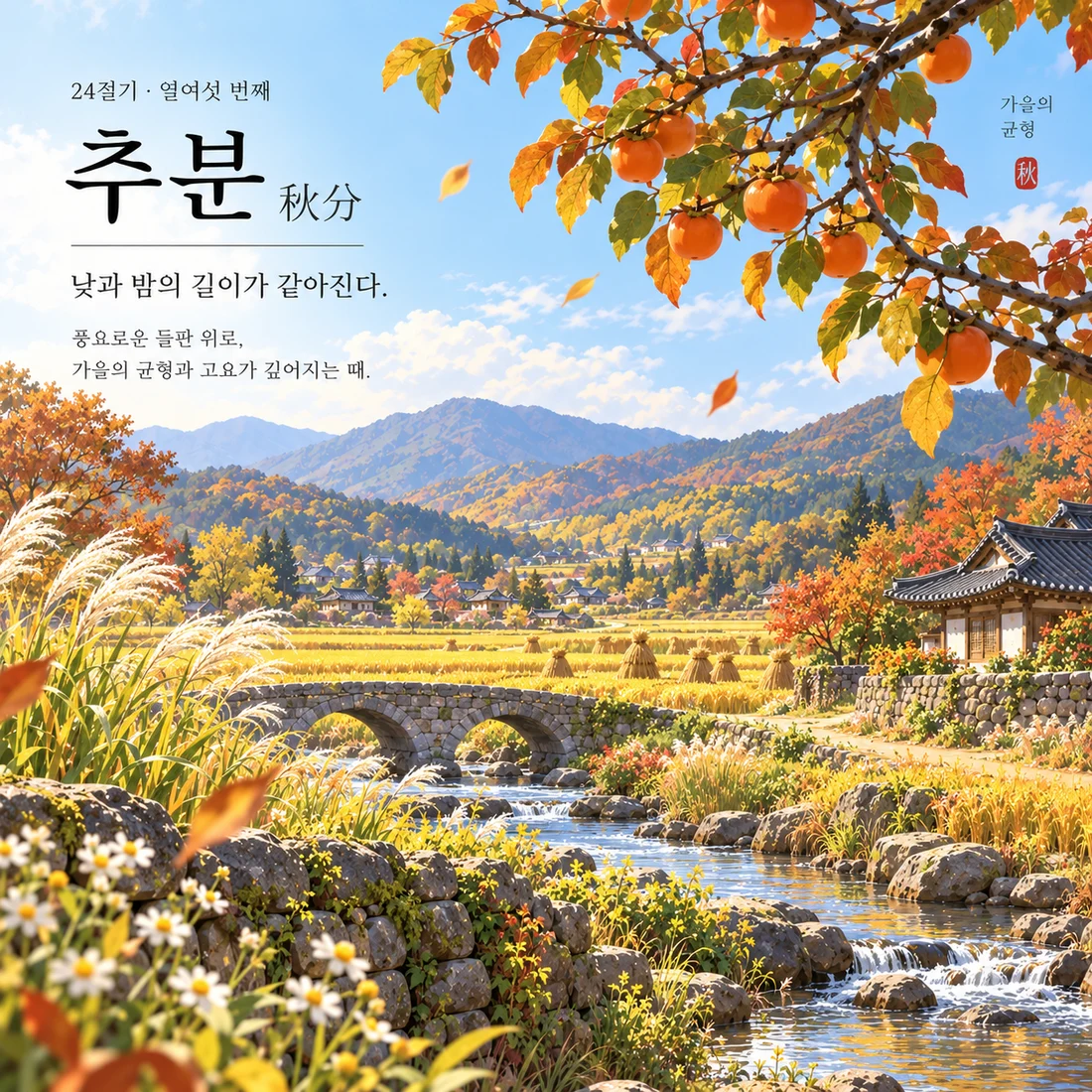 Solar term illustration coming soon추분 · 秋分
Autumn Equinox
추분Day and night are roughly balanced. Afterwards, nights gradually lengthen in the Northern Hemisphere.
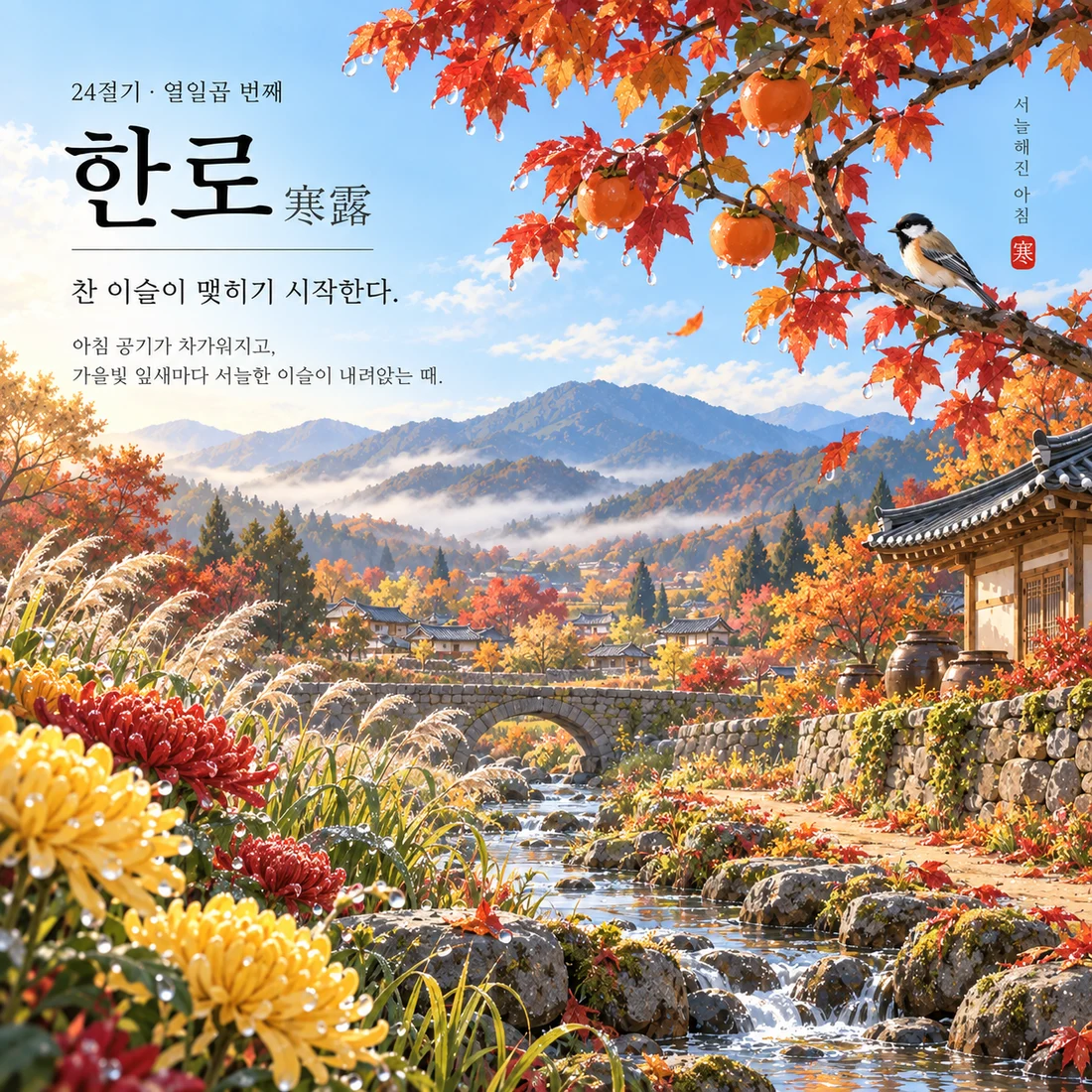 Solar term illustration coming soon한로 · 寒露
Cold Dew
한로“Cold dew” signals a chill entering the morning air as autumn deepens.
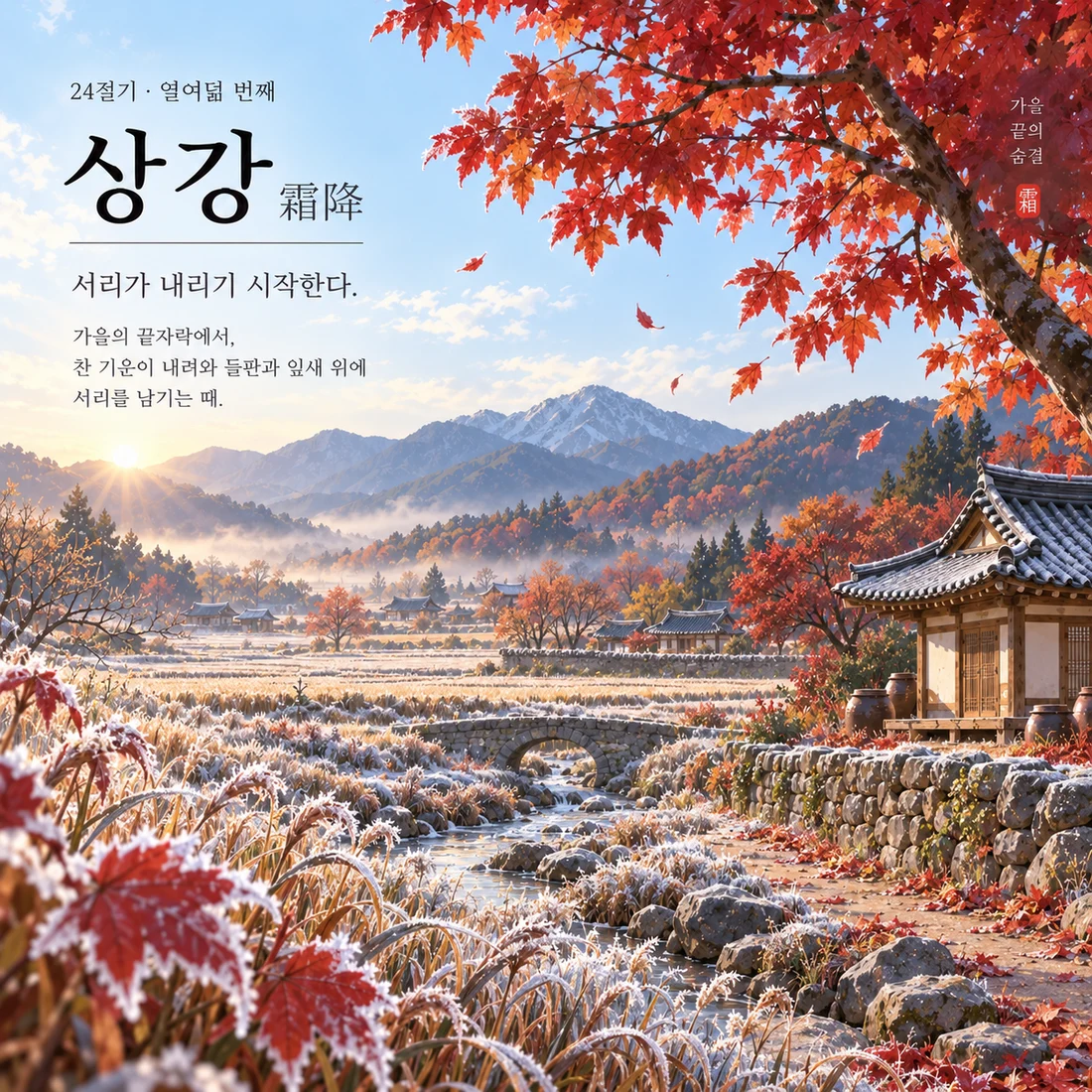 Solar term illustration coming soon상강 · 霜降
Frost Descent
상강The last term of autumn evokes the first frost and the preparations for winter.
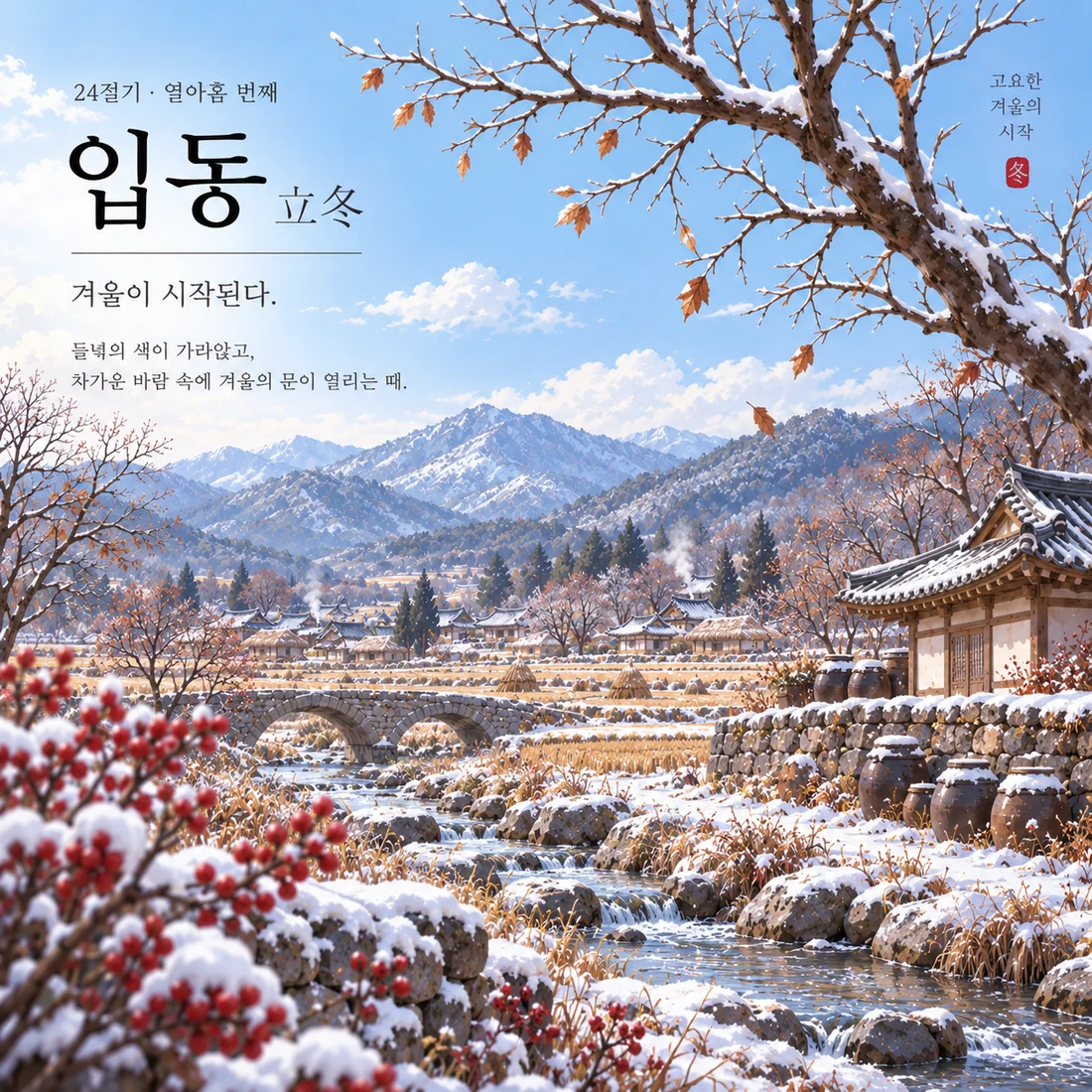 Solar term illustration coming soon입동 · 立冬
Beginning of Winter
입동Winter begins on the traditional calendar, bringing thoughts of kimjang and a warmer home.
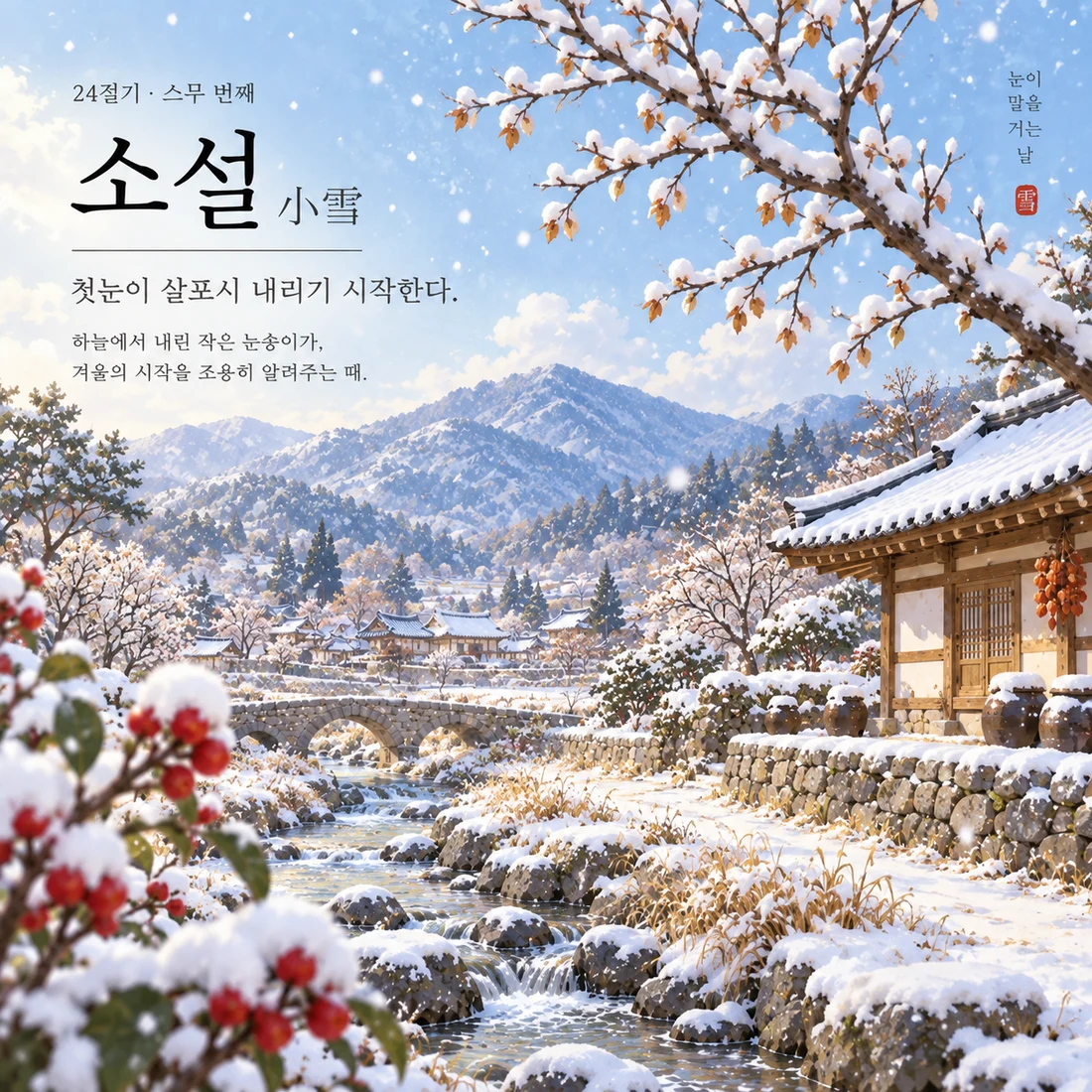 Solar term illustration coming soon소설 · 小雪
Minor Snow
소설“Minor snow” brings the idea of first snow, though actual snowfall varies by year and place.
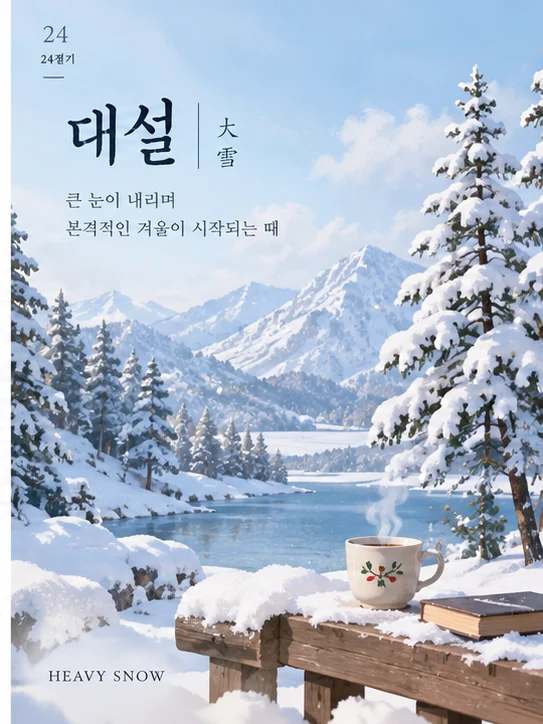 Solar term illustration coming soon대설 · 大雪
Major Snow
대설“Major snow” names a seasonal turning point; it is not a forecast of heavy snowfall.
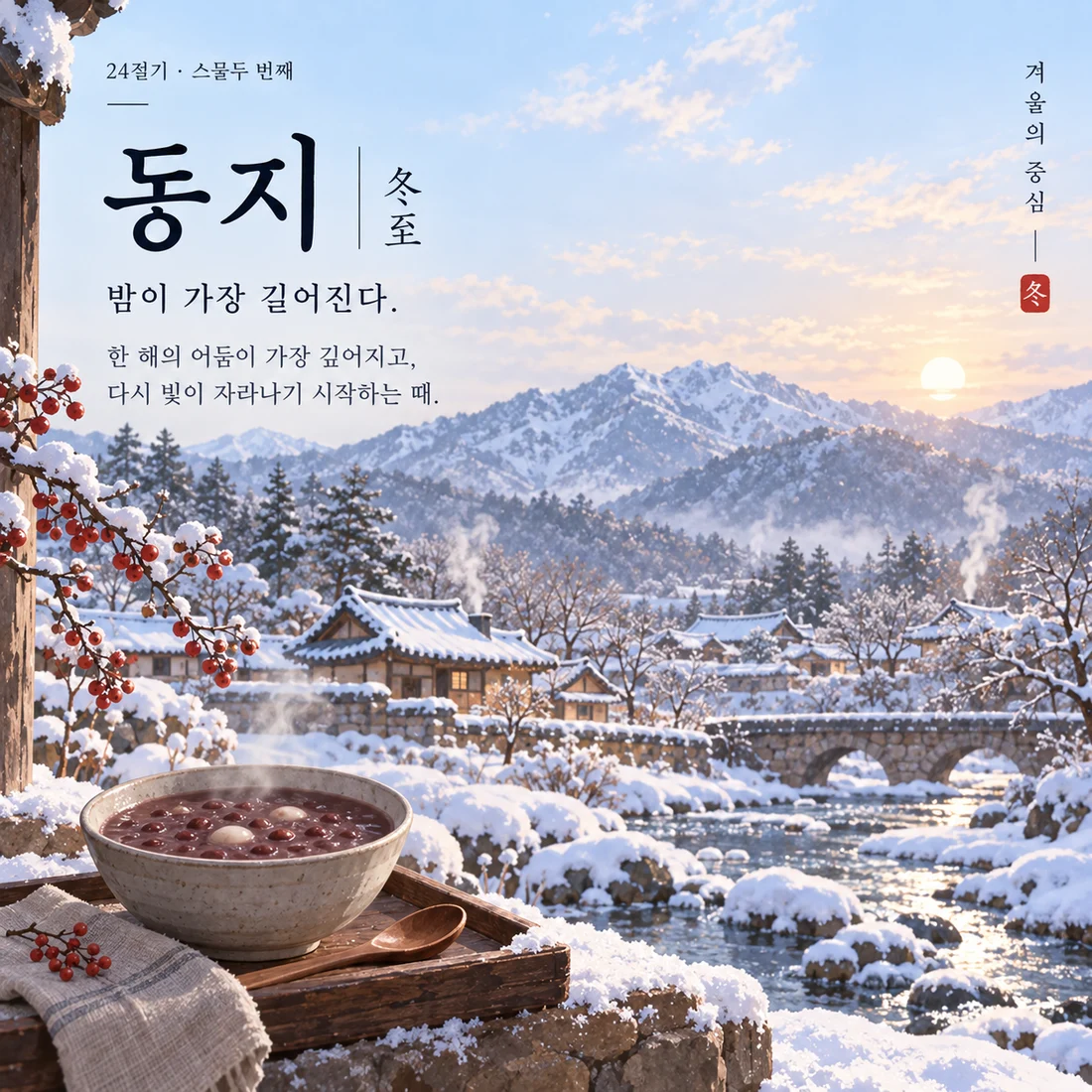 Solar term illustration coming soon동지 · 冬至
Winter Solstice
동지The longest night in the Northern Hemisphere is associated in Korea with sharing red-bean porridge.
Solar term dates vary by year. All dates shown use Asia/Seoul time.
A LITTLE MORE TO KNOW
Solar terms follow the position of the Sun, so their calendar dates can shift by about a day from year to year. This page uses Korean dates for the year shown.
Solar terms are a traditional guide to the seasons. The weather described here is a general seasonal pattern, not live observations or a forecast. Actual conditions vary by region and year.
Start with an ingredient on this page that is fresh and available near you. Harvest times vary with location and growing methods.
Calendar reference: Korea Astronomy and Space Science Institute. Dates use Korean Standard Time; food and living suggestions are seasonal examples.