Seasonal Stories
What is Gyeongchip? Meaning, timing and everyday spring rituals
A solar term associated with nature waking from winter. Explore its name and simple ways to notice spring.
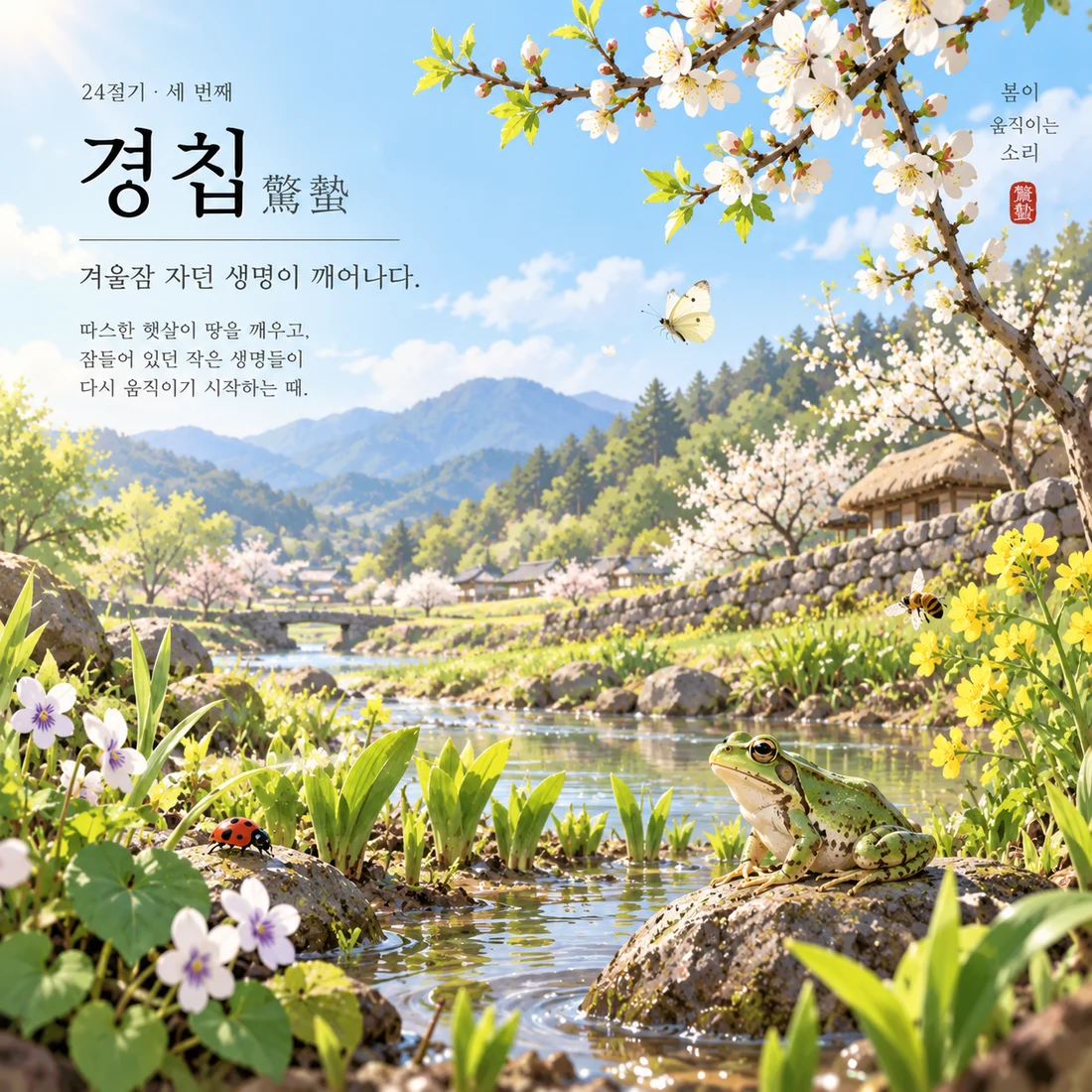
Gyeongchip (驚蟄), explained in English as Awakening of Insects, evokes creatures stirring after winter. It is a seasonal marker rather than a promise that every animal wakes on the same date. Its lasting appeal lies in the invitation to notice small changes around us.
Where does Gyeongchip sit in the year?
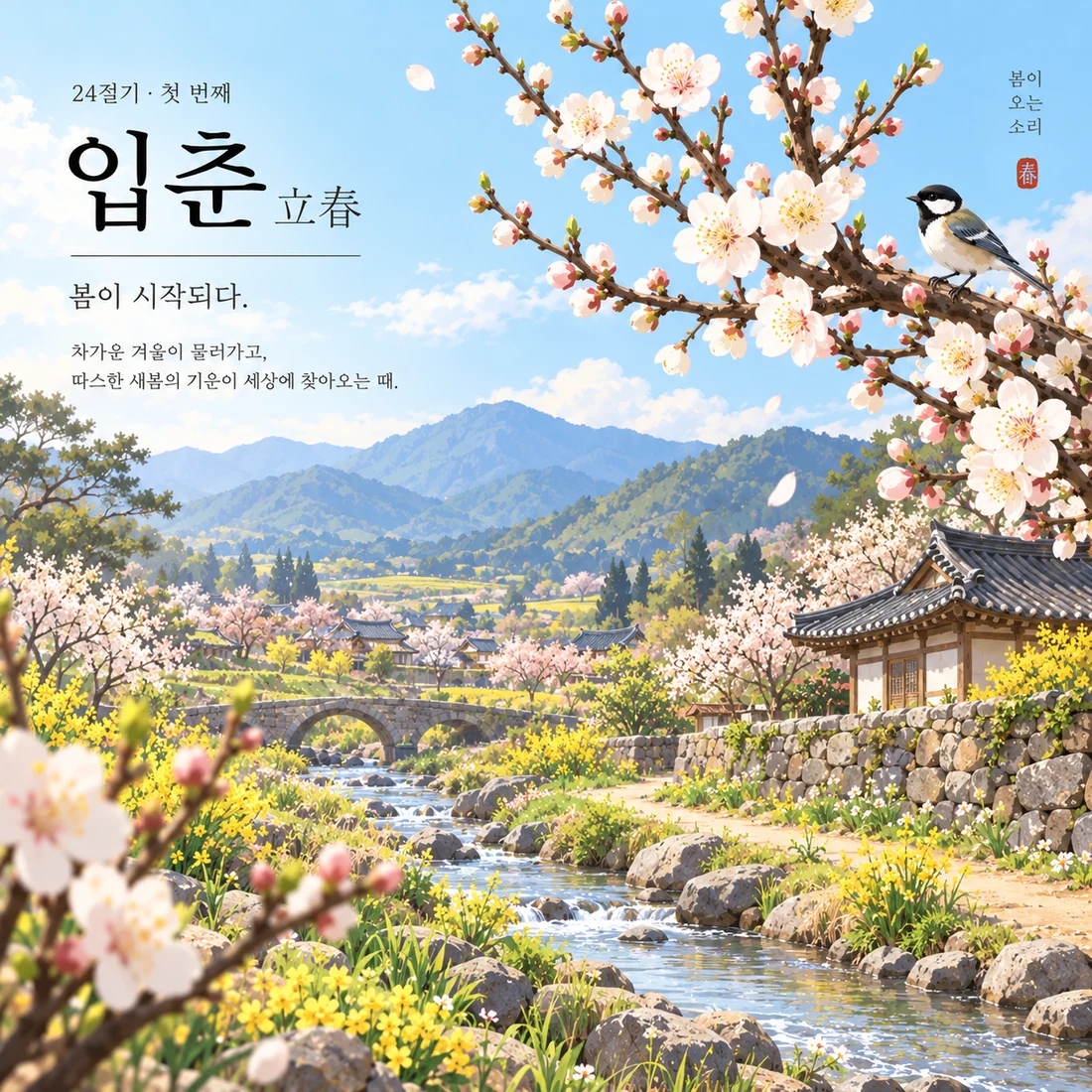
It follows Usu and precedes Chunbun, usually in early March. Check the relevant year for its exact date. Reading these terms in sequence, beginning with Ipchun, makes them easier to understand as a gradual transition rather than a list of names.
What can you observe?
Look at the branches and planted beds on a familiar walk. Note a swelling bud or a patch of sunlight staying longer. A warm afternoon can still follow a cold morning, so dress for the actual weather rather than the name of the season.
What can you eat around Gyeongchip?
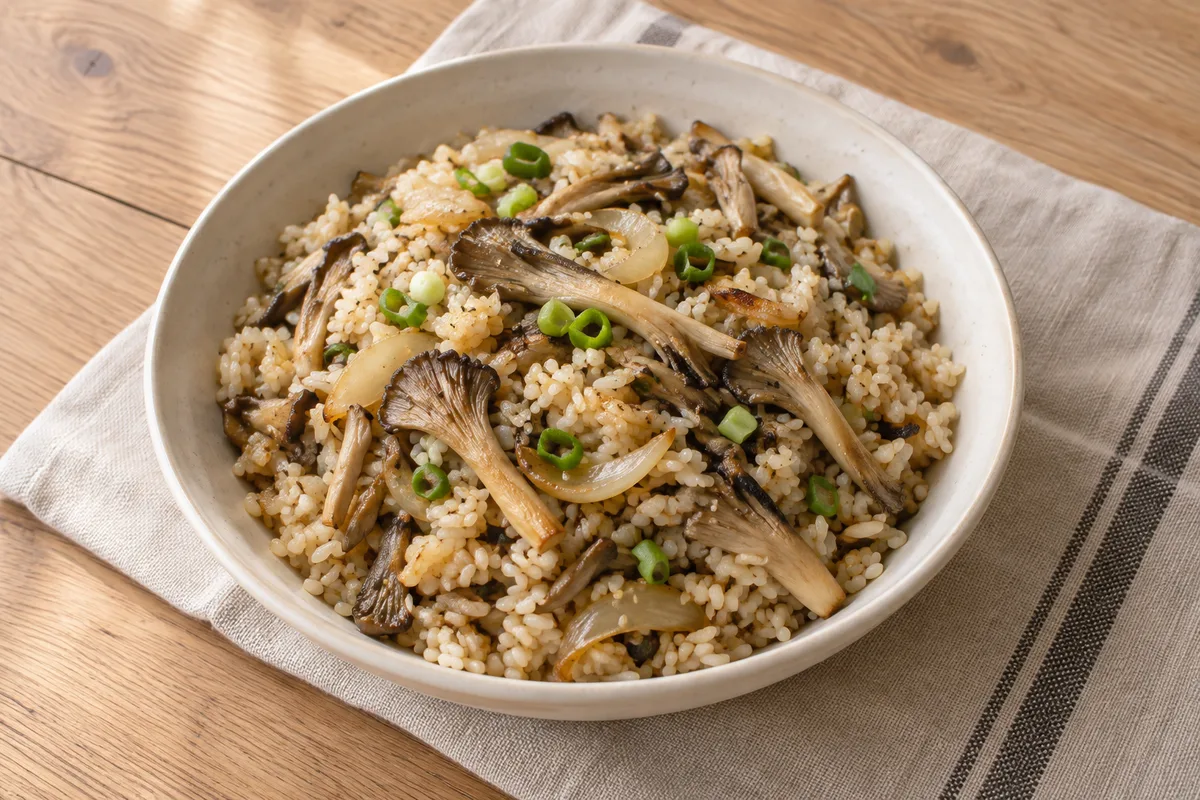
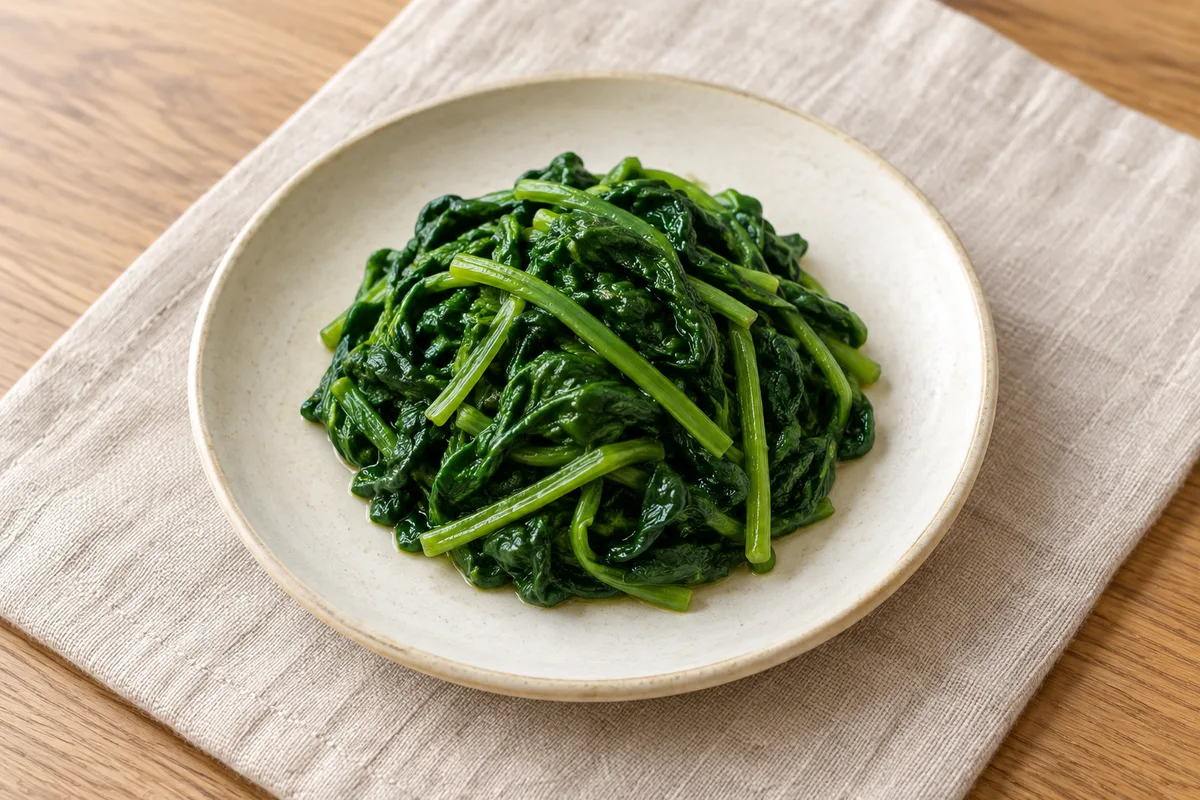
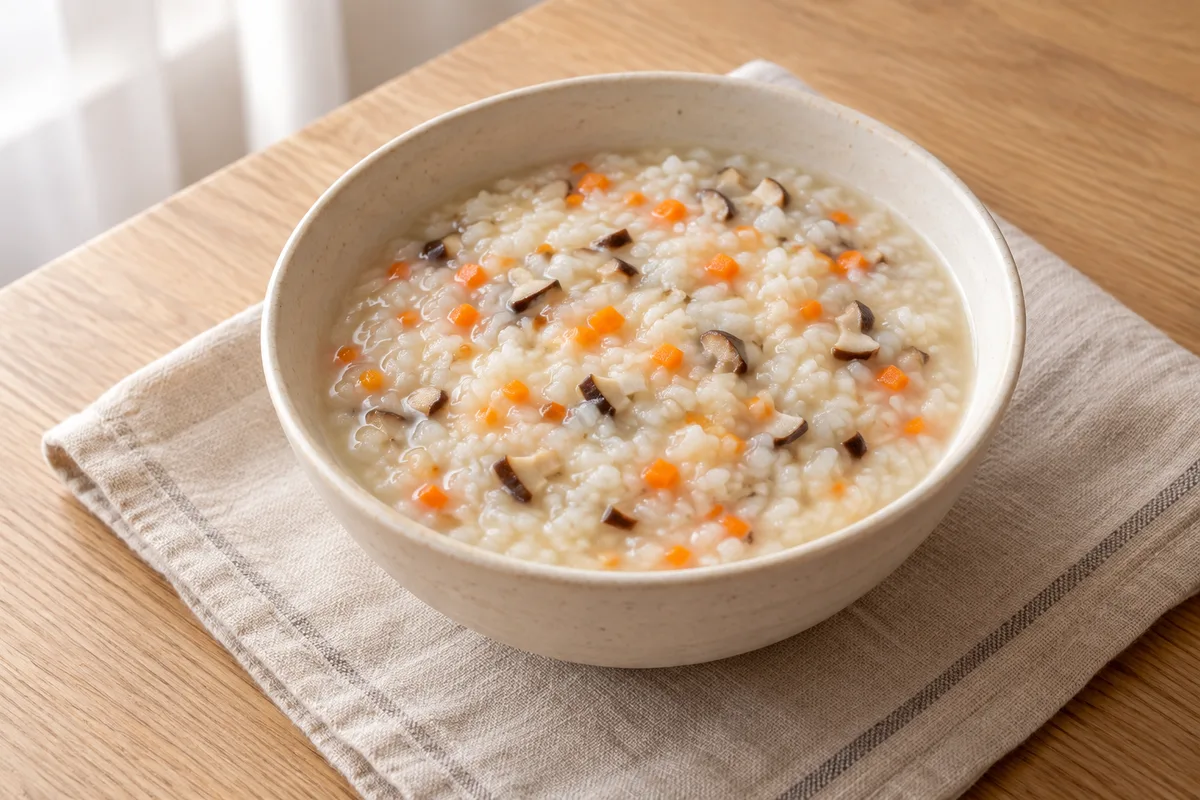
There is no universal household menu for the day. This guide suggests familiar greens and warm vegetable porridge as accessible options. They are ways to vary an everyday meal, not treatments for seasonal symptoms.
Put it into practice
- Check this year’s date in the Gyeongchip guide.
- Notice one change on a familiar walk.
- Cook a small portion of a new green before buying more.
Food to make next
Related solar terms
Kimchi to explore
Continue exploring
Frequently asked questions
When is Gyeongchip?
Usually in early March; the exact date and time vary by year. See the linked solar-term guide.
What do people eat at Gyeongchip?
Practices vary. This article offers greens and vegetable porridge as everyday menu ideas.
What does Gyeongchip mean in Korea?
It is a traditional seasonal marker for observing spring’s approach, distinct from a weather forecast.