Korean Food
Korean spring namul: begin with a bowl of spinach
Namul is more than one plant. Understanding the ingredient, its preparation and its seasoning makes it easier to begin.
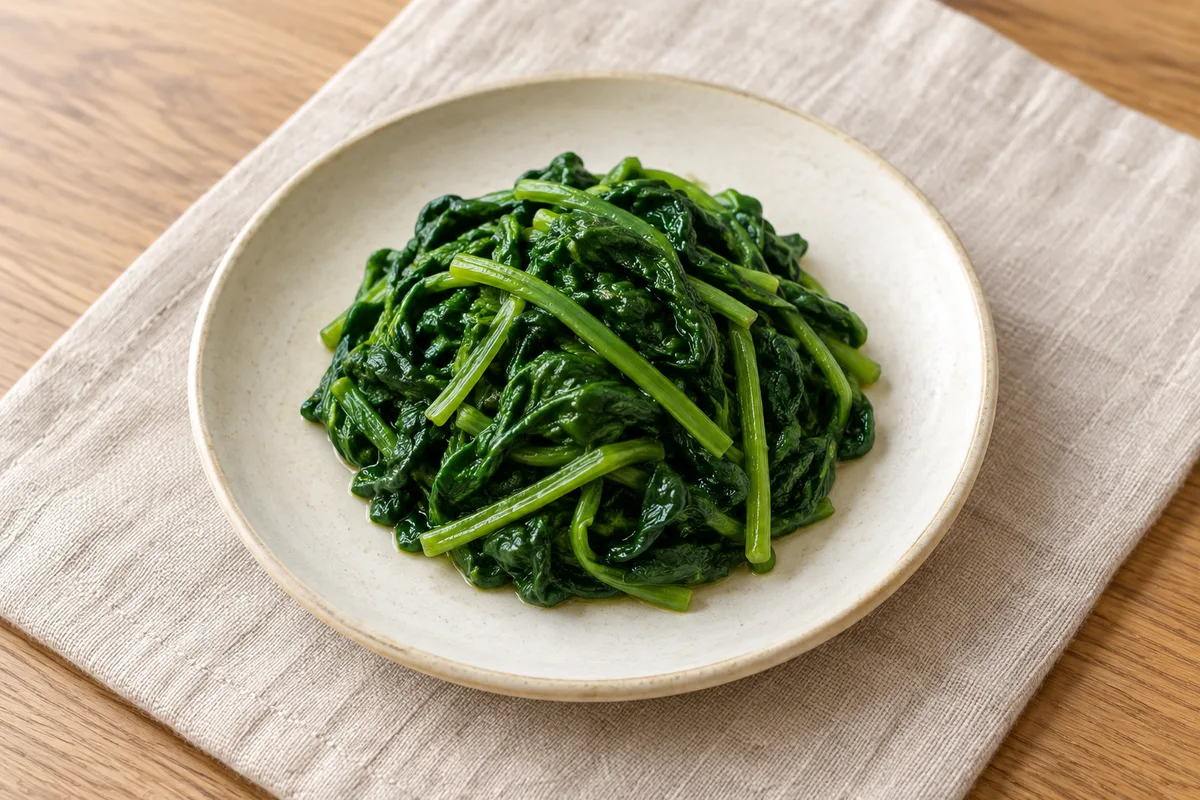
On a Korean table, namul commonly refers to vegetable dishes prepared by seasoning or cooking greens, shoots and other plants. Spring offers a range of aromas and textures. Instead of preparing many unfamiliar kinds at once, learn the handling of a familiar green such as spinach.
Why preparation differs between greens
Leaf thickness and stem firmness change how a vegetable cooks. A spinach method cannot be applied to every wild green. Confirm the ingredient’s name and preparation instructions; do not use wild plants whose edibility is uncertain.
Balance moisture and seasoning
Excess water can dilute the seasoning, while aggressive squeezing may damage the texture. Follow the recipe’s draining instructions, then season gradually. Add sesame oil or sesame seeds in small amounts so you can still taste the vegetable itself.
From a side dish to bibimbap
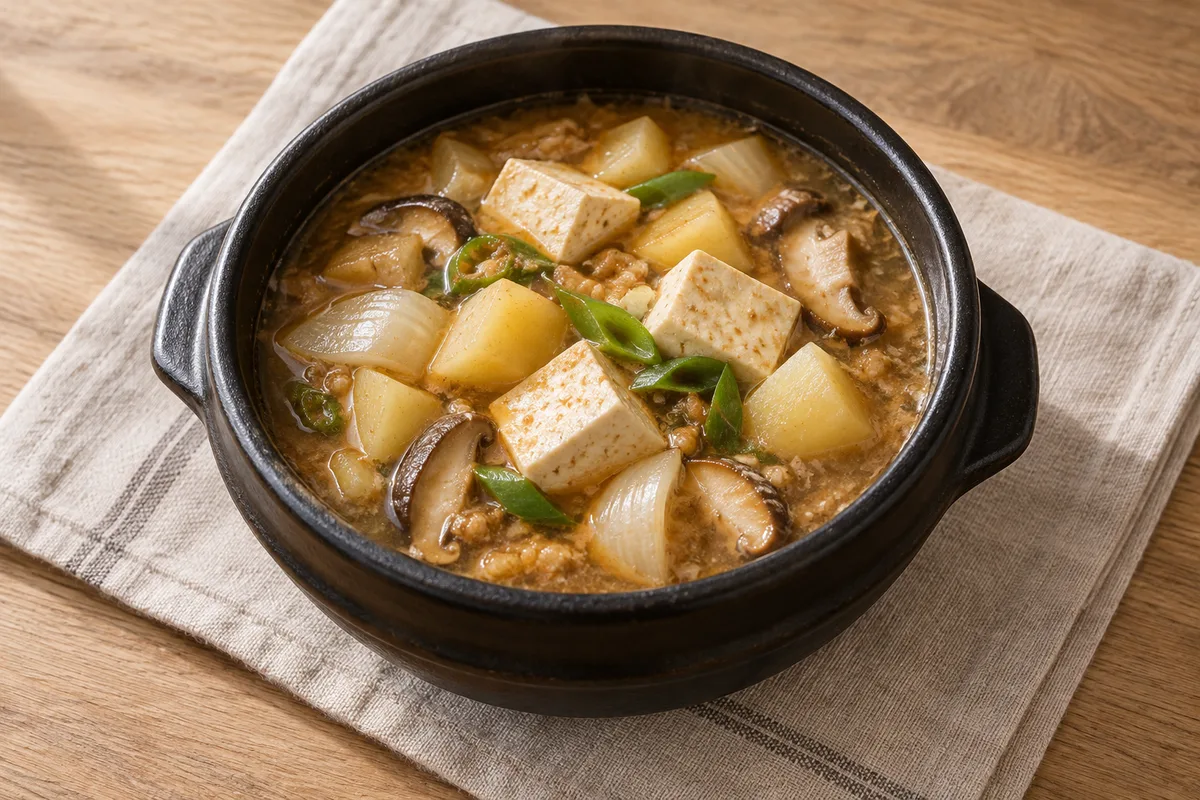
Serve namul separately to appreciate its flavor. When you have prepared several vegetables, arrange them over rice for bibimbap and serve sauce on the side. Let each person adjust the seasoning rather than dressing every bowl identically.
Put it into practice
- Check quantities and blanching instructions in the spinach namul recipe.
- Drain before seasoning and taste as you go.
- Build a meal with rice and tofu or egg.
Food to make next
Related solar terms
Kimchi to explore
Continue exploring
Frequently asked questions
Is all namul eaten raw?
No. Blanching, boiling and other preparation vary by ingredient. Follow the specific recipe.
Can I use another vegetable?
Yes, but texture and cooking times change. Check substitution guidance instead of copying the same timing.
Can namul be mild?
Yes. Spinach namul is one example that can be made without chili powder.