Korean Food
Winter Korean home cooking: cabbage soup and vegetable porridge
A warm meal does not require rare ingredients. Begin with a pot of soup or porridge and a few familiar vegetables.
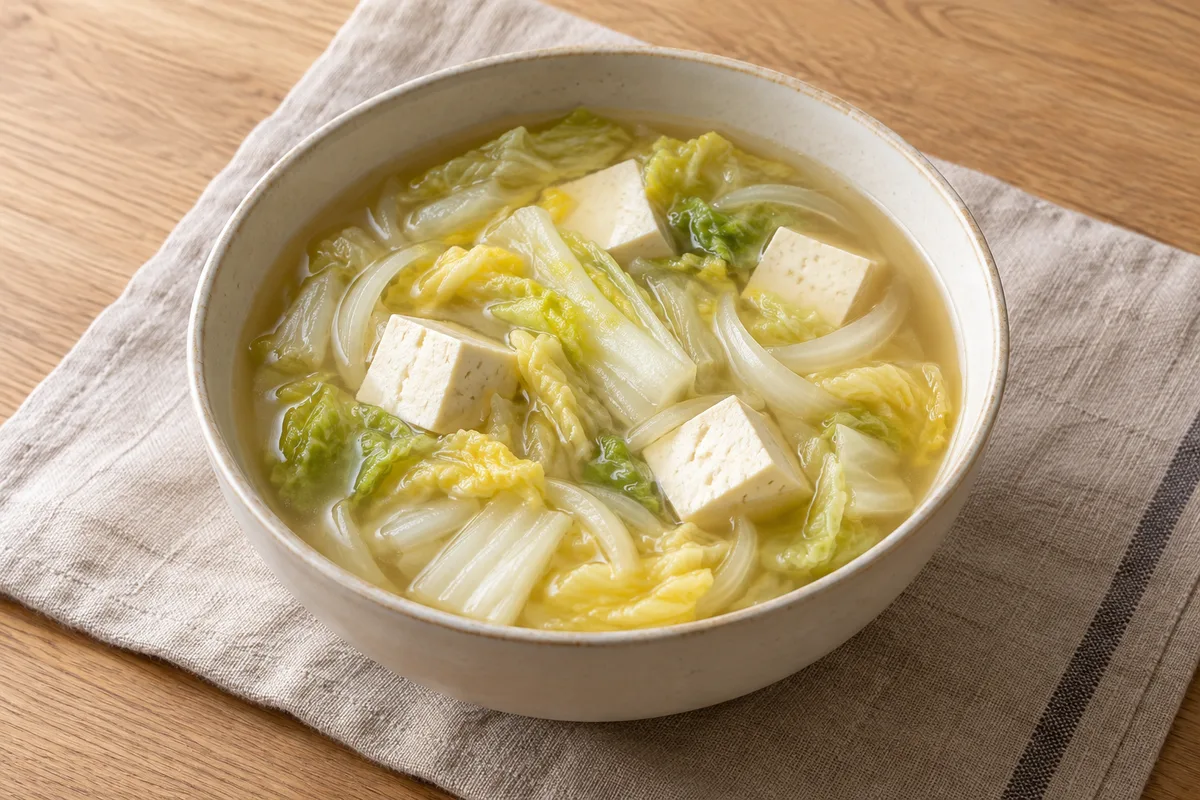
Winter home cooking need not mean a large pot simmering all day. Cabbage-and-tofu soup or porridge with finely chopped vegetables can begin in a small saucepan. Choose one dish according to the people eating and the time available, rather than committing to a full feast.
Soup or porridge?
If rice is already prepared, cabbage soup fits alongside it. Vegetable porridge can serve as a single-bowl option. Porridge is not automatically a therapeutic diet; follow any individualized dietary guidance you have been given.
Cutting evenly helps
Large pieces of firm vegetables may remain hard while tender ingredients overcook. Cut potato and carrot to the recipe’s size, and check when to add tofu or leafy vegetables. Use the timing as guidance and also check actual tenderness.
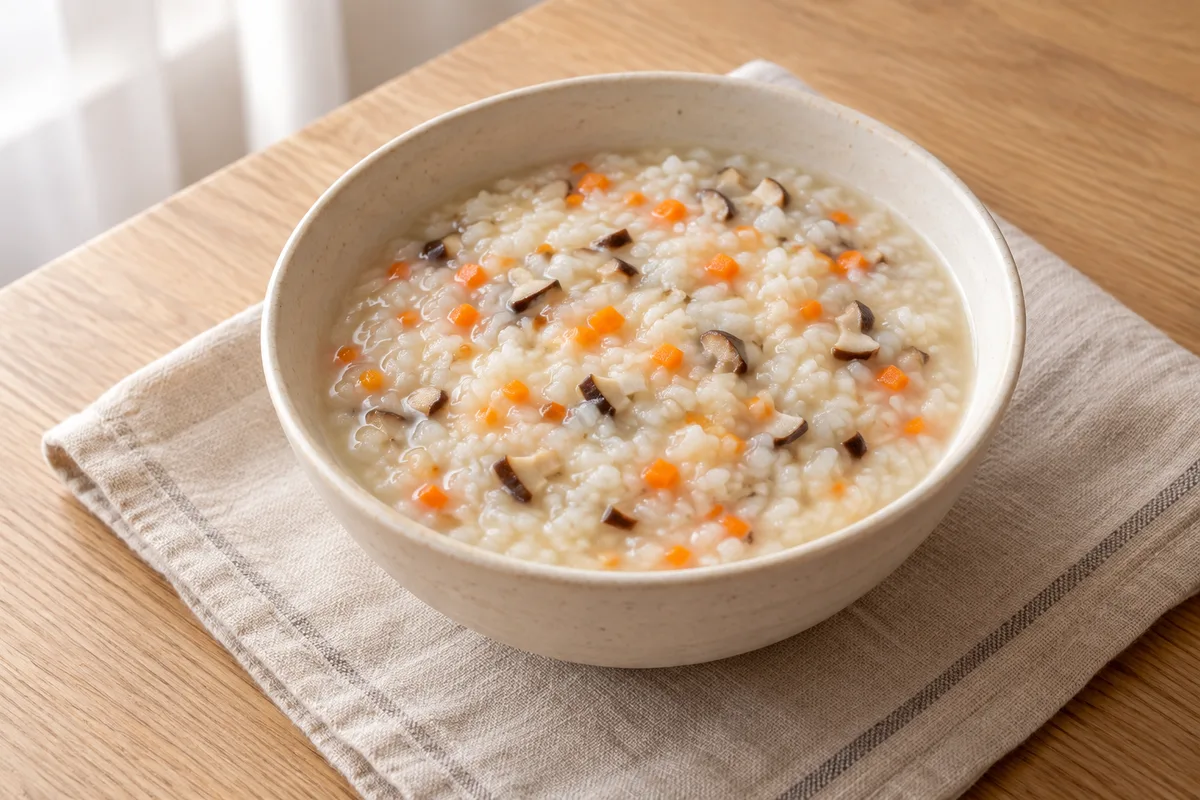
Add contrast with a small side
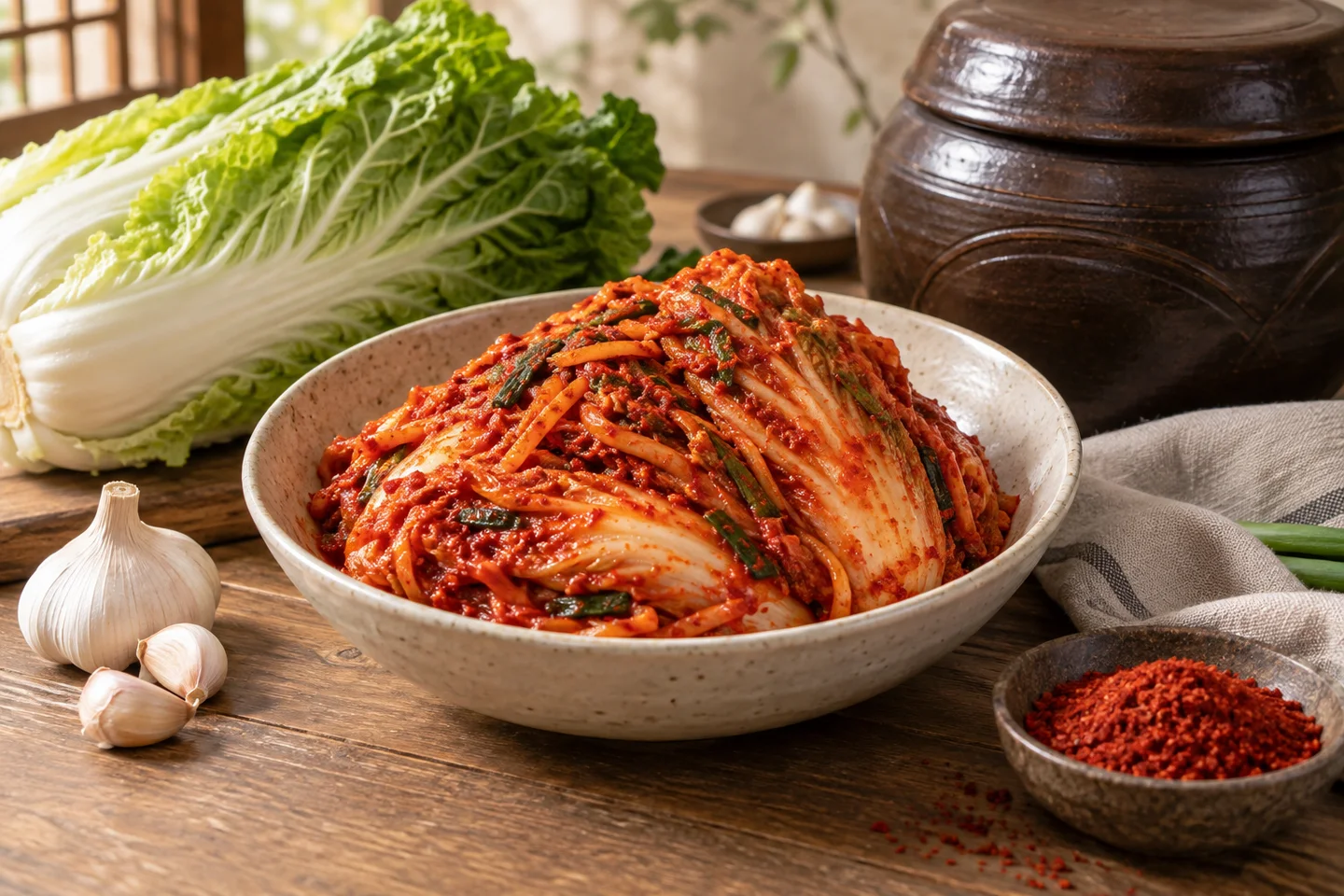
A small kimchi side can add contrast to soft soup or porridge. Exploring dongchimi introduces another style without needing many dishes. Let very hot food cool to a comfortable eating temperature, and handle leftovers according to the recipe’s storage guidance.
Put it into practice
- Choose soup or porridge according to rice availability and servings.
- Cut firm vegetables to an even size.
- Serve a small kimchi side on a separate plate.
Food to make next
Related solar terms
Kimchi to explore
Continue exploring
Frequently asked questions
Does cabbage soup need meat?
No. The linked recipe uses cabbage and tofu for a simple soup.
Can porridge use cooked rice?
Some recipes use safely stored cooked rice. Do not copy the water ratio from an uncooked-rice recipe.
Does every winter term require a specific dish?
No. These are practical winter menu ideas, not required foods for every date.