Culture
Korea’s 24 solar terms: reading the season beyond the calendar
How do solar terms differ from lunar holidays? Discover a framework for connecting nature and everyday life, rather than memorizing dates.
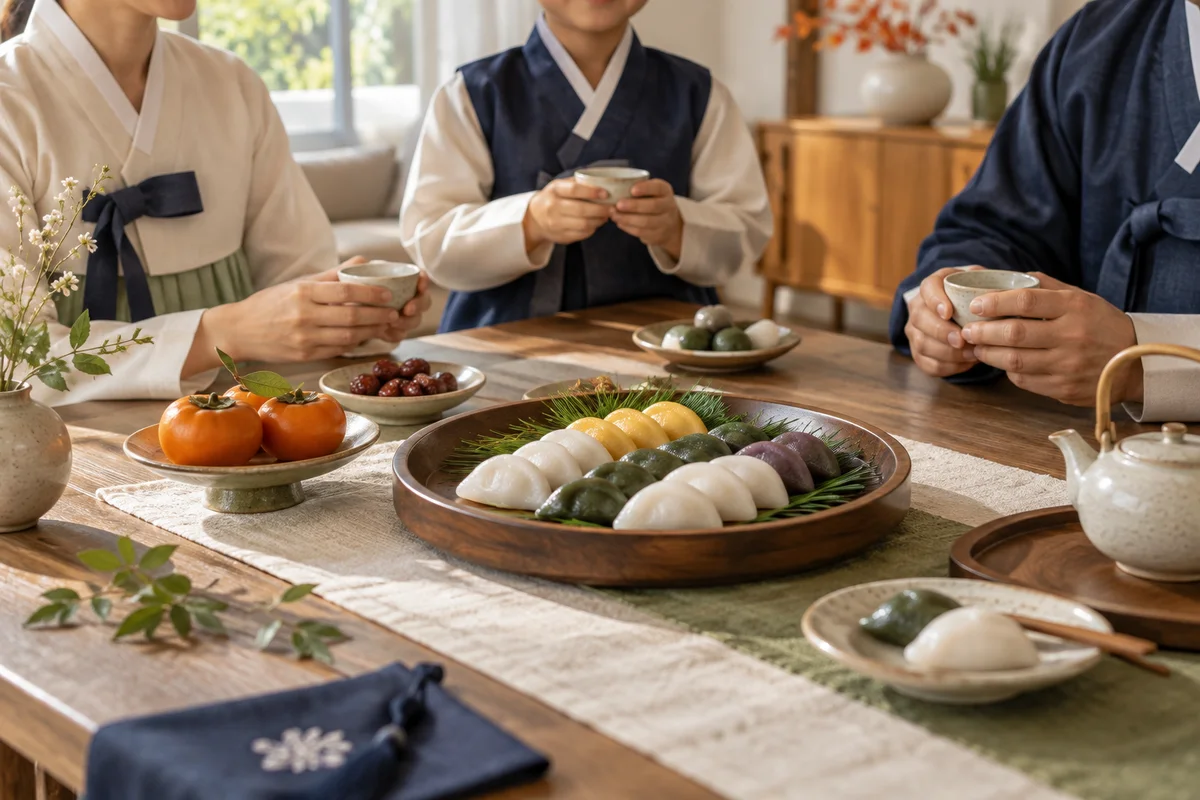
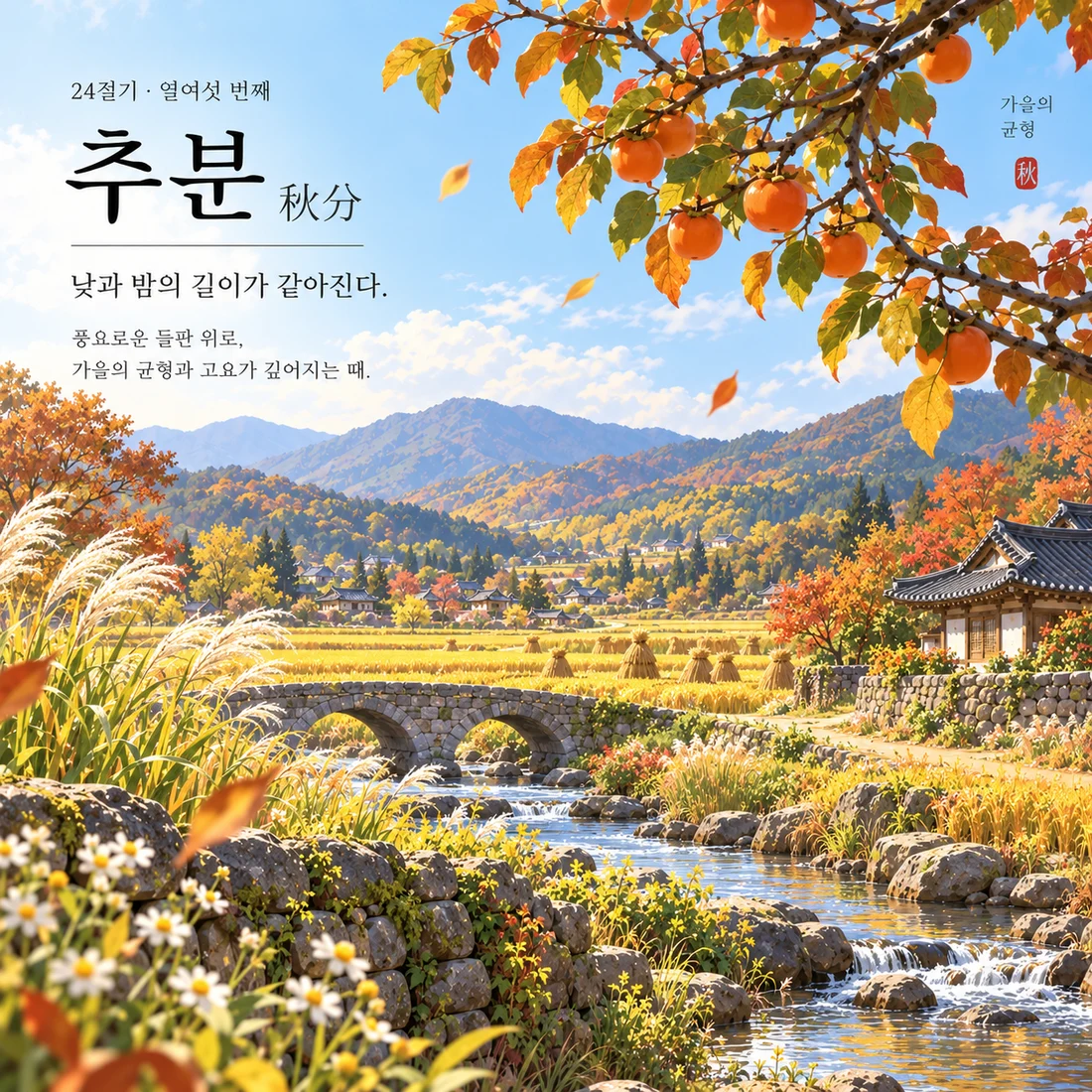
Names such as Ipchun, Chunbun, Chubun and Dongji belong to the 24 solar terms. They help explain seasonal life in Korea, but the system is a shared East Asian tradition rather than an exclusively Korean invention. Here, the focus is on using those markers to pay closer attention to daily life.
Are solar terms lunar dates?
Solar terms divide the year according to the Sun’s position, returning around similar Gregorian dates. They differ from holidays set by lunar dates, such as Seollal and Chuseok. Consult a year-specific astronomical calendar for precise transition times.
Separate seasonal names from actual weather
Flowers do not open everywhere on Ipchun, and Ipdong does not guarantee snow. Conditions vary by place and year. Treat the terms as prompts for observation, while using real environmental information for travel, gardening or storage decisions.
Make a household seasonal record
Read about the current term, then note an ingredient at the market, the light at a window or a meal you made. You do not need to recreate every custom. One ordinary table photograph can become a useful comparison when the season returns next year.
Put it into practice
- Find the current term on the Season page.
- Read the neighboring terms in 24 Terms.
- Record one change in food or home life.
Food to make next
Related solar terms
Kimchi to explore
Continue exploring
Frequently asked questions
Are the dates identical every year?
They return at a similar time, but the date and precise time can vary.
Are the 24 terms used only in Korea?
No. They are shared across East Asian traditions, with local differences in practice.
Can I use a solar term as a forecast?
No. Seasonal context and an actual weather forecast serve different purposes.